You Won’t Believe What Dining in Palau Feels Like
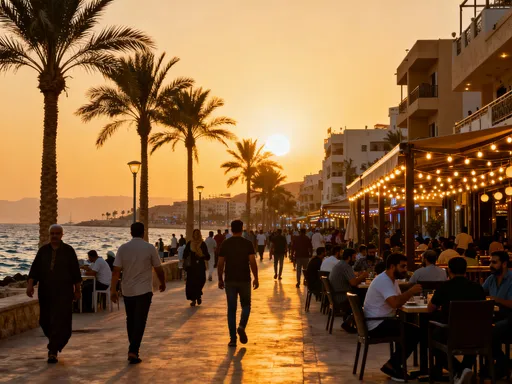
Imagine eating fresh coral trout under a thatched roof while the Pacific breeze brushes your skin and the ocean glimmers just steps away. In Palau, specialty dining isn’t just about food—it’s a full sensory escape. I’m talking grilled mahi-mahi caught at dawn, coconut-infused dishes made by local hands, and open-air bars where the cocktail matches the sunset. This is more than a meal; it’s a rhythm of island life. Here, dining is woven into the fabric of daily existence, shaped by generations of tradition, an abundance of sea and soil, and a deep respect for nature’s offerings. Every bite tells a story of connection—to land, to community, and to the vast blue that surrounds this archipelago.
Why Palau’s Dining Scene Stands Out
Palau’s culinary identity is a quiet masterpiece of cultural fusion and geographic isolation. Nestled in the western Pacific, this nation of over 300 islands has developed a food culture that remains refreshingly untouched by mass tourism. The foundation of Palauan cuisine lies in its Micronesian roots, where seafood, root vegetables, and coconut form the holy trinity of flavor. Over time, influences from Japan, the Philippines, and later American administration have gently layered into the menu—think soy-based marinades, steamed rice as a staple, and occasional nods to convenience foods—but never at the expense of authenticity.
What truly sets Palau apart is its commitment to freshness and seasonality, not as a trend, but as necessity. With limited arable land and no industrial farming, ingredients are sourced daily from nearby waters and small family plots. Fishermen head out before sunrise with hand lines and traditional knowledge, returning with tuna, wahoo, and red snapper still glistening. Farmers harvest taro, breadfruit, and yams from shaded gardens, often using methods passed down for generations. There’s no refrigerated supply chain to rely on; what’s served today was likely swimming or growing yesterday.
This closeness to source fosters a dining experience that feels deeply honest. Meals are not staged for social media, but prepared with intention. In Palau, you don’t just taste food—you taste place. Whether it’s the smoky depth of fish cooked in an earth oven or the creamy sweetness of coconut milk squeezed fresh from grated meat, each element reflects a relationship with the environment that is both practical and spiritual. Local values of hospitality, humility, and sustainability shape every interaction, making even a simple roadside snack feel like an invitation into someone’s world.
Top Regions for Authentic Specialty Dining
While Palau may be small in size, its culinary landscape varies meaningfully across regions, each offering a distinct flavor of island life. Koror, the most populous state and de facto commercial hub, serves as the gateway to many authentic food experiences. Here, local markets buzz with activity each morning, where vendors display baskets of ripe papaya, bundles of taro leaves, and trays of just-caught reef fish. The Koror Market is not designed for tourists—it operates on island time, accepts cash only, and thrives on personal connections. It’s common to see elders bartering sweet potatoes for smoked fish, or families loading up on ingredients for evening gatherings.
Adjacent to Koror, the island of Malakal hosts a more maritime-focused food scene, centered around its working harbor. Small grills and open-air kitchens line the waterfront, where fishermen double as cooks, serving plates of grilled tuna skewers drizzled with lime and chili. These impromptu eateries, often marked only by a canopy and a charcoal pit, offer some of the most honest flavors in the country. The atmosphere is unpretentious, the seating basic, and the company often a mix of sailors, divers, and locals stopping by after work. It’s here that visitors can witness how food functions as both sustenance and social glue.
For those seeking seclusion, the remote atoll of Kayangel offers an entirely different dining rhythm. Accessible by a 45-minute boat ride, this slender island embraces a slower pace, where meals are often shared under palm-thatched pavilions overlooking the lagoon. Some eco-lodges arrange private beachfront dinners, where guests dine barefoot on sand as waves whisper nearby. Because supply runs are infrequent, menus are hyper-local and adaptive—what’s available depends on the tide, the season, and what the day’s catch brought in. This unpredictability isn’t a drawback; it’s part of the charm, reinforcing the idea that dining in Palau is not about control, but about presence.
Must-Try Dishes and Local Flavors
To understand Palau through its cuisine is to begin with a few cornerstone dishes that embody its essence. One of the most beloved preparations is koror, a dish of fresh fish—often tuna or snapper—marinated in soy sauce, lime juice, and onions, then lightly grilled or seared. The acidity of the lime “cooks” the surface of the fish, creating a texture somewhere between ceviche and carpaccio, while the soy adds umami depth. Served with steamed rice and a side of coconut relish, it’s a meal that balances simplicity with bold flavor.
Another traditional favorite is umlekoi, a bundle of fish or chicken wrapped in taro leaves and slow-cooked in an underground earth oven known as an umu. The process is labor-intensive but transformative: hot stones are layered in a pit, the wrapped bundles are placed on top, then covered with banana leaves and soil to trap heat and steam. After several hours, the result is tender, smoky meat infused with the earthy aroma of the leaves. This method, still used for special occasions and family gatherings, connects modern Palauans to their ancestors and underscores the cultural importance of patience and shared effort.
Sweet endings often feature banana, breadfruit, or cassava, transformed into desserts with the help of coconut milk and brown sugar. One popular treat is kele, a steamed pudding made from mashed banana and coconut, wrapped in leaves and cooked until firm. Its texture is dense yet moist, with a natural sweetness that doesn’t rely on refined sugar. For those with a taste for the exotic, sea cucumber may appear on more adventurous menus—typically boiled or stir-fried, it’s valued both as a delicacy and for its perceived health benefits, though it’s not for everyone.
What makes these dishes remarkable isn’t just their taste, but their provenance. Most seafood is line-caught, ensuring minimal bycatch and sustainable harvest. Produce comes from backyard gardens or communal plots, grown without synthetic pesticides. Even the coconut milk is often freshly extracted, not poured from a can. This dedication to real ingredients, prepared in time-honored ways, gives Palauan food a purity that’s increasingly rare in the modern world.
Hidden Dining Experiences Off the Tourist Trail
Beyond restaurants and markets lie some of Palau’s most meaningful food experiences—those that happen quietly, within homes and communities, often invisible to the casual visitor. One of the most profound ways to engage with local cuisine is through a family-hosted meal, arranged through eco-lodges or community-based tourism programs. These are not performances for tourists, but genuine invitations into private life. Guests are welcomed with flower garlands, asked to remove their shoes, and seated on woven mats around low tables. The meal unfolds over hours, with dishes passed hand to hand and stories shared between bites.
Another rare opportunity is the private island picnic, sometimes arranged by dive operators or kayak guides who know secluded coves accessible only by water. After a morning of snorkeling among coral gardens, guests return to find a simple feast laid out on driftwood tables—grilled fish, fruit platters, and chilled coconut water served in the shell. There’s no electricity, no menu, no rush. The only soundtrack is the wind and waves. These moments, though fleeting, create lasting memories because they feel unscripted and authentic.
For those visiting during cultural festivals or family milestones like first birthdays or weddings, there may be a chance to attend a traditional feast, or mesei. These gatherings can last days, with multiple umus dug to feed dozens or even hundreds of guests. Food is served in communal bowls, and elders are honored with the first portions. Participation requires respect—listening more than speaking, accepting food with both hands, and expressing gratitude sincerely. Such events are not tourist attractions, but living traditions, and being included is a privilege that deepens understanding of Palauan values.
Access to these experiences should always be facilitated through certified local operators who prioritize cultural sensitivity and environmental care. Responsible tourism means not demanding access, but accepting invitations when offered. It means following local customs, not treating people or traditions as entertainment. When done right, these hidden meals become bridges—not just to flavor, but to friendship.
Best Times and Seasons for Peak Dining Experiences
Timing your visit to Palau can significantly enhance your culinary experience, as the rhythm of the year shapes what’s available and how it’s prepared. The dry season, which runs from October to April, is widely regarded as the ideal window for travel. During these months, rainfall is minimal, skies are clear, and sea conditions are calm—making it easier to reach remote islands, enjoy beachside dinners, and participate in outdoor cooking events. This period also coincides with several national holidays and community festivals, when traditional feasts are more likely to be held.
Early summer, particularly May and June, marks the peak of the tuna run, when large schools migrate through Palau’s waters. This is when fishermen are most active, and restaurants and home cooks alike feature tuna in nearly every form—grilled, seared, smoked, or raw. The meat is at its firmest and richest in flavor, making it a prime time for seafood lovers. Around the same time, mango season reaches its height, with local varieties like the yellow-skinned Palau mango appearing in markets and on dessert menus. Sweet, fragrant, and less fibrous than commercial types, these mangoes are often eaten fresh or blended into smoothies and sorbets.
Late spring, from March to May, also brings an abundance of breadfruit and banana, both of which are staples in savory and sweet preparations. During this time, you’re more likely to encounter dishes like fa’abuki, a baked breadfruit casserole layered with coconut milk and onions, or banana fritters drizzled with honey. These seasonal peaks mean that menus shift naturally, offering variety and freshness that can’t be replicated year-round.
That said, the high season comes with trade-offs. Popular restaurants may require reservations, and some eco-lodges book out months in advance. Prices for accommodations and tours can be higher, and certain spots may feel busier than usual. Travelers seeking solitude might consider visiting in the shoulder months—September or late April—when weather remains favorable but crowds are thinner. Even during the wetter months, brief showers rarely last long, and the lush greenery that follows only enhances the beauty of outdoor dining settings.
Practical Tips for Navigating Palau’s Food Culture
For visitors, embracing Palau’s food culture goes beyond taste—it involves understanding unspoken rules and adapting to local norms. One of the most important customs is showing respect during meals, especially in family or community settings. When invited into a home, it’s customary to remove your shoes before entering, just as you would in many Pacific Island cultures. Accepting food or drink with both hands is a small gesture that conveys gratitude and humility. If offered a drink, it’s polite to take at least a sip, even if you don’t finish it.
Another key consideration is flexibility. While some resorts and restaurants offer Western-style menus, smaller vendors and local eateries focus on what’s available. Menu variety may be limited, and substitutions are rarely possible. This isn’t a lack of service—it’s a reflection of resourcefulness and seasonality. Travelers with dietary restrictions should communicate needs politely in advance, especially when booking guided tours or homestays. Many hosts are happy to accommodate, but they need time to plan.
Cash remains king in most local food settings. While credit cards are accepted at larger hotels and dive shops, roadside grills, market stalls, and family-run eateries typically operate on a cash-only basis. It’s wise to carry small bills in USD (Palau’s official currency) for these transactions. Additionally, reusable containers and utensils are highly recommended, both to reduce plastic waste and to support the growing movement toward sustainability. Many locals appreciate when visitors bring their own bottles and bags, aligning with Palau’s strong environmental ethic.
Hydration is another practical concern. The tropical climate demands constant fluid intake, and while coconut water is widely available and excellent for electrolytes, it’s still important to drink plenty of fresh water. Some rural areas rely on rainwater catchment systems, so bottled or filtered water is often the safest choice. Staying hydrated not only supports health but also enhances the enjoyment of meals, allowing you to fully savor each flavor without fatigue or discomfort.
How to Combine Dining with Island Adventures
In Palau, the line between adventure and dining is beautifully blurred. Meals are not isolated events, but natural extensions of the day’s activities. After a morning of snorkeling in the famous Jellyfish Lake, where thousands of gentle golden jellies pulse through sunlit waters, many tours include a beachside lunch of grilled fish, tropical fruit, and cold drinks served under a shade pavilion. The meal feels earned, heightened by the salt on your skin and the satisfaction of exploration.
Kayak tours through the Rock Islands often culminate in a secluded cove, where guides unpack a surprise picnic—perhaps tuna kebabs, rice balls wrapped in banana leaves, and chilled papaya slices. These floating feasts are more than just snacks; they’re moments of stillness amid adventure, where the only company is the ripple of water and the cry of seabirds. Some eco-tourism operators even offer “dinner drop-offs,” where guests kayak to a remote shore only to find a table set with lanterns, local wine, and a multi-course meal prepared by a private chef.
Hiking trails through Palau’s interior jungles often lead to hidden waterfalls or ancient stone monoliths. Along the way, local guides may pause to share simple treats—roasted coconut, wild bananas, or breadfruit chips—harvested from the forest itself. These impromptu tastings connect travelers to the land in a primal way, reminding them that food doesn’t always come from a kitchen, but from the earth’s quiet generosity.
For a more structured experience, food-focused cultural tours are emerging as a way to deepen engagement. These half-day itineraries might include a visit to a family garden, a demonstration of coconut grating and milk extraction, and a hands-on lesson in wrapping umu bundles. The tour ends with a shared meal, where participants eat what they helped prepare. These experiences go beyond sightseeing—they invite participation, foster connection, and leave a lasting impression of how food shapes identity.
Dining as a Gateway to Palau’s Soul
Ultimately, dining in Palau is not a side activity—it is a central thread in the tapestry of travel. It’s how visitors come to understand the rhythm of island life, where time moves with the tide, and meals are measured not in minutes, but in moments of connection. Each dish carries the weight of tradition, the freshness of the sea, and the warmth of human generosity. To eat in Palau is to be welcomed, not as a customer, but as a guest.
In a world where travel often feels transactional, Palau offers something rare: authenticity rooted in care. The food is unpretentious, the settings simple, but the experience is profound. It teaches patience, presence, and appreciation—for a fish caught at dawn, for a coconut cracked by hand, for a song shared over a fire-lit meal. These are not luxuries, but essentials of a life lived close to nature.
For the thoughtful traveler, especially those seeking meaning beyond the postcard view, Palau’s cuisine is a doorway. It invites you to slow down, to listen, to accept what is offered with grace. It reminds us that the deepest journeys are not always the longest, but the ones that nourish both body and spirit. So when you go, don’t just visit Palau—taste it, savor it, let it change the way you think about food, community, and home.