Where Art Meets Jungle: Santo Domingo’s Wild Canvas
You know that feeling when nature and art collide in the most unexpected way? That’s Santo Domingo for you. Beyond the colonial streets and historic charm, the city breathes creativity through its vibrant murals, lush landscapes, and coastal rhythms. I didn’t expect to find such raw beauty where paint blends with palm trees and ocean light becomes part of the artwork. This is more than a travel story—it’s a sensory journey into how nature inspires art, and how art helps us see nature anew. The city pulses with color not just on gallery walls but along alleyways, beneath canopies of flamboyant trees, and on the edges of rivers where artists gather to sketch the morning mist. Here, art is not separate from life—it is woven into it, shaped by sun, sea, and soil.
First Impressions: Colonial Walls, Wild Colors
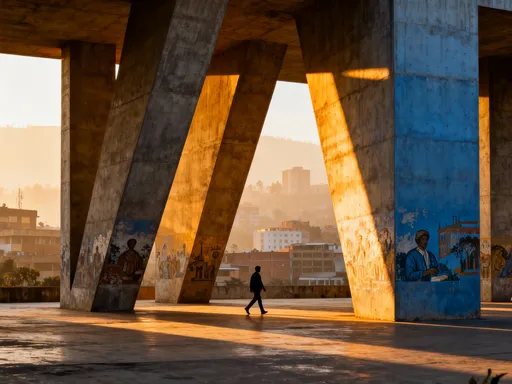
As the plane descends toward Las Américas International Airport, the first hints of Santo Domingo’s artistic soul begin to emerge. From above, the city appears as a patchwork of terracotta rooftops, swaying coconut palms, and the shimmering ribbon of the Caribbean Sea. But it’s upon entering the Zona Colonial that the true fusion of history and creativity becomes evident. Cobblestone streets wind beneath 16th-century archways, where the echoes of Spanish conquest still linger in the stone. Yet these ancient walls are no longer silent—they speak in color, in bold strokes of magenta, turquoise, and gold that burst from alleyway facades and courtyard gates.
Local artists have transformed the city into a living dialogue between past and present. In the shadow of the Catedral Primada de América, one mural depicts a Taíno fisherman casting a net into waves that morph into musical notes. Another, near Calle El Conde, shows a woman with hair made of banana leaves, her eyes reflecting the green of mango groves. These are not random embellishments—they are deliberate acts of storytelling, where natural elements serve as metaphors for resilience, identity, and cultural continuity. Birds, especially the national palmchat, appear frequently, symbolizing freedom and local pride.
What makes this artistic surge remarkable is its deep connection to place. Unlike generic street art seen in other global cities, Santo Domingo’s murals are rooted in the island’s ecology and heritage. Artists draw from the rhythms of the sea, the patterns of tropical storms, and the textures of volcanic soil. The fusion of Spanish colonial architecture with Afro-Caribbean and indigenous influences creates a unique cultural alchemy—one that finds expression not only in music and cuisine but in visual art that honors the land. This is not rebellion for rebellion’s sake; it is reverence, reimagined.
The City as a Living Gallery
Walking through Santo Domingo is akin to strolling through an open-air museum where every turn offers a new exhibit. In El Conde, the bustling pedestrian avenue lined with colonial arcades, street performers play guitar beneath murals of dancing suns and winged lizards. Nearby, in the Gazcue neighborhood, a quieter but equally vibrant art scene thrives. Here, tree-lined avenues host sculptures crafted from driftwood and coral stone, placed intentionally so that morning light casts intricate shadows across sidewalks. One installation, a metal tree with leaves made from recycled license plates, stands in Parque Mirador Sur, its branches swaying gently in the breeze like a silent ode to renewal.
What sets these public artworks apart is their integration with nature. Fountains are not merely decorative—they are part of the composition, their flowing water echoing the movement in nearby murals of ocean currents. In Plaza de la Cultura, a bronze sculpture of a child reading rests beneath a ceiba tree, its massive roots cradling the figure like a natural throne. The interplay of light, shadow, and greenery transforms these spaces into dynamic galleries, where the environment itself becomes a collaborator in the artistic experience.
Community-led initiatives have further expanded this vision. Projects like Pintando Mi Barrio (Painting My Neighborhood) have brought together residents, artists, and environmental advocates to revitalize neglected corners of the city. Abandoned lots are replanted with native flowers and bordered with hand-painted tiles depicting local wildlife. These spaces do more than beautify—they reconnect people with nature in urban settings, fostering pride and stewardship. For families walking through these transformed zones, art is no longer something distant or elite; it is a shared language, spoken in color, form, and leaf.
Nature’s Palette: How the Landscape Inspires Artists
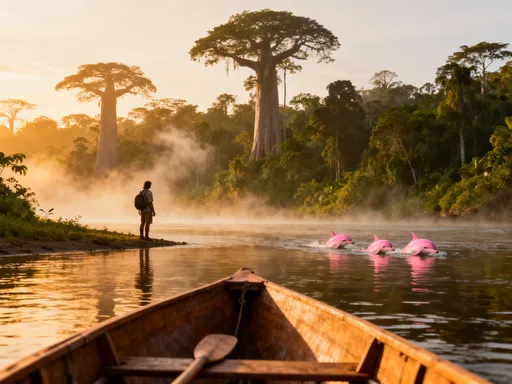
To understand the soul of Santo Domingo’s art, one must visit the banks of the Ozama River at dawn. This is where many local painters begin their day, setting up easels on the stone embankment as the first light spills across the water. The river, wide and slow-moving, reflects the sky in shifting hues—soft lavender giving way to gold, then deepening into turquoise as the sun climbs. Mist curls above the surface like brushstrokes, and the distant call of a heron blends with the hum of waking traffic. It is a moment of quiet intensity, one that artists describe as both meditative and electric.
Several painters interviewed spoke of the river as a living canvas. “The light here is different,” says María Elena Reyes, a landscape artist who has exhibited in Santo Domingo and abroad. “It’s not just bright—it’s layered. You see the reflection of the sky, then the green of the mangroves, then the dark of the mud beneath. Each layer tells a story.” Her work often features abstract interpretations of the river’s textures—cracked mud rendered in thick impasto, water ripples suggested by delicate glazes. For her, painting is not about replication but about feeling, about translating the pulse of the land onto canvas.
The influence of the natural world extends beyond the river. Coastal cliffs along the southern edge of the city, where the land meets the sea in dramatic folds, inspire bold color contrasts and dynamic compositions. Artists speak of the “salt light”—the way sunlight refracts off sea spray, creating a luminous haze that softens edges and intensifies color. Tropical skies at dusk, with their streaks of orange and violet, inform palettes that feel both vibrant and spiritual. Even the scent of wet earth after a summer rain finds its way into creative expression, evoking memories and emotions that translate into texture and tone.
For many Dominican artists, this connection is not merely aesthetic but ancestral. “We grow up with the sea, the mountains, the rain,” says Rafael Méndez, a sculptor who uses driftwood and river stone in his work. “Our blood remembers the land. When I carve, I’m not just shaping wood—I’m listening to what it wants to say.” This deep ecological awareness infuses their art with authenticity, making it a true reflection of place.
From Canvas to Coast: Art Beyond the City
A short drive from the capital reveals how the dialogue between art and nature extends beyond urban boundaries. In the hills outside Santo Domingo, the Los Tres Ojos National Park offers a surreal landscape of limestone caves and emerald lagoons. Here, eco-art installations blend seamlessly with the terrain. One path leads to a sculpture garden where figures made from reclaimed metal rise from the ferns, their forms echoing the shapes of bats and orchids native to the area. Another installation, a series of wind chimes crafted from seashells and bamboo, hangs above a small waterfall, its music carried on the humid air.
These works are not merely decorative—they carry messages about conservation and coexistence. A mural painted on a cave wall depicts a turtle swimming through a sea of plastic, its flippers tangled in a net. Nearby, a mosaic made from recycled glass tiles shows a healthy reef teeming with fish, a vision of what restoration can achieve. Local guides explain the stories behind each piece, turning the visit into an educational journey as much as an artistic one. Families pause to read the plaques, children point at the colors, and even casual tourists find themselves reflecting on their own relationship with the environment.
Further afield, the Jardín Botánico Nacional Dr. Rafael M. Moscoso offers another dimension of this fusion. Within its 200 hectares of curated green space, art installations appear like discoveries in the wild. A bronze hummingbird hovers near a patch of heliconias, its wings catching the sun. Stone pathways are inlaid with ceramic tiles depicting medicinal plants, each labeled with its traditional use. During special exhibitions, local artists create temporary works using fallen leaves, flowers, and clay, ensuring minimal impact on the ecosystem. These ephemeral pieces remind visitors that beauty can be fleeting—and that art, like nature, thrives in balance.
Creative Encounters: Workshops and Local Studios
One of the most profound ways to experience Santo Domingo’s artistic spirit is through participation. In a quiet corner of the Villa Consuelo neighborhood, a garden studio run by artist Luz García opens its doors to visitors twice a week. Nestled among hibiscus bushes and fruit trees, the open-air workshop buzzes with the sound of birds and the rustle of palm fronds. Here, guests are invited to paint using pigments made entirely from natural materials—ochre from river clay, deep red from achiote seeds, green from crushed malanga leaves.
The process is both grounding and enlightening. Participants grind the pigments by hand using stone mortars, mix them with tree sap as a binder, and apply them to handmade paper or reclaimed wood. “When you use color that comes from the earth,” García explains, “you feel connected. You’re not just painting a flower—you’re using the same soil that grows it.” Her studio walls are lined with works created by visitors—abstract interpretations of storms, detailed sketches of birds, dreamlike landscapes that blur the line between memory and imagination.
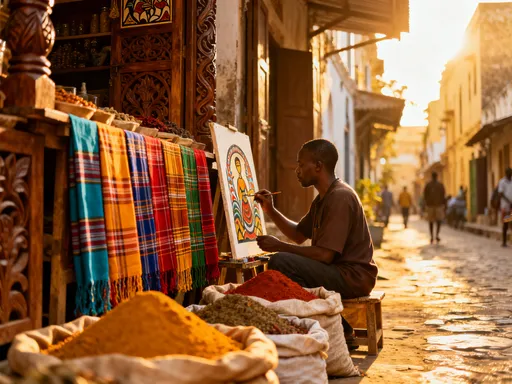
Other artists take their practice directly into nature. Along the coast near Boca Chica, a group of painters gathers weekly for plein air sessions on the beach. They set up under umbrellas, their canvases facing the sea, and work in silence broken only by waves and the occasional cry of a gull. One artist, José Manuel, describes how the scent of salt and the rhythm of tides influence his brushwork. “If the waves are calm, my strokes are smooth. If there’s a storm coming, the paint becomes thicker, more urgent.” For him, painting is not separate from the environment—it is a conversation with it.
Practical Magic: How to Experience This Fusion Yourself
Planning a visit centered on art and nature in Santo Domingo is both accessible and rewarding. The best time to go is between December and April, when the weather is dry and temperatures are mild, perfect for walking tours and outdoor workshops. Begin in the Zona Colonial, where guided mural walks are offered by local cultural organizations. These two-hour tours cover key sites, from the murals of Calle Las Damas to the sculptures in Parque Colón, and often include stops at small galleries and artist cooperatives.
For a deeper immersion, explore Gazcue and Piantini, neighborhoods known for their green spaces and community art projects. The Jardín Botánico is open daily and offers free guided tours on weekends. Check local event listings for open studio days, mural festivals like Festival de Arte Urbano, or temporary exhibitions at the Museo del Arte Moderno. Many artists welcome visitors by appointment, especially those working in garden studios or coastal enclaves.
Travelers are encouraged to engage respectfully and sustainably. Purchase artwork directly from artists or certified cooperatives to ensure fair compensation. Avoid touching murals or natural installations, and carry reusable water bottles to minimize plastic waste. When photographing, be mindful of signs indicating no photography zones, especially in sacred or conservation areas. Choose eco-conscious accommodations, such as boutique hotels that use solar power and support reforestation efforts.
For souvenirs, consider handmade items like ceramic tiles painted with native flora, jewelry crafted from recycled materials, or notebooks bound in natural fibers. These small choices support local economies and reflect a commitment to preserving both culture and environment.
Why This Blend Matters: Art as a Lens for Nature
The harmony between art and nature in Santo Domingo is more than aesthetic—it is meaningful. In a world where urban development often comes at the expense of green spaces, this city offers a different model. It shows that creativity can grow from the soil, that walls can tell stories of rivers and trees, and that public spaces can nurture both beauty and biodiversity. Art, in this context, becomes a bridge—a way to see the natural world not as a backdrop but as a partner in human expression.
For visitors, especially women managing households and seeking meaningful travel experiences, this fusion offers something deeper than sightseeing. It invites a slower pace, a more intentional way of moving through the world. Painting with natural pigments, walking beneath murals of flowering vines, or sitting quietly by the Ozama River at dawn—these moments foster mindfulness, connection, and renewal. They remind us that inspiration is not found only in grand monuments but in the whisper of leaves, the glint of sunlight on water, the handprint of a child on a community mural.
Santo Domingo teaches us that cities do not have to choose between progress and preservation, between culture and nature. They can, and should, coexist. By embracing art that grows from the land, we learn to see our surroundings with fresh eyes—to appreciate not just what is beautiful, but what is alive. And in that awareness, there is hope: that we might carry this reverence home, nurturing it in our own gardens, homes, and communities. Travel, then, becomes not just an escape, but a transformation—one brushstroke, one breath of jungle air, at a time.