What No One Tells You About Kingston’s Hidden Travel Traps
You’ve seen the photos—vibrant streets, reggae rhythms, and sunlit coastlines. But visiting Kingston, Jamaica, isn’t just about vibes; it’s about choices. I went chasing culture and music history, only to face real missteps that almost ruined my trip. From overhyped tours to misunderstood local etiquette, the pitfalls are real. This is not a guidebook fantasy—this is what actually goes wrong, why it matters, and how to avoid it while still getting the authentic, soul-rich experience Kingston can deliver when done right.
The Allure and Reality of Kingston
Kingston, Jamaica’s capital, pulses with a rhythm that’s both invigorating and humbling. It is a city where music legends were born, where art spills onto street corners, and where the scent of smoky jerk chicken drifts through morning air. Yet beneath the surface of postcard-perfect imagery lies a layered reality. Travelers often arrive with expectations shaped by curated social media feeds or nostalgic portrayals of reggae’s golden era, only to find a city that defies simple categorization. Kingston is not merely a backdrop for nostalgia—it is a living, breathing metropolis shaped by resilience, creativity, and socioeconomic contrasts.
The city’s cultural richness is undeniable. Home to the Bob Marley Museum, Devon House, and the National Gallery of Jamaica, Kingston offers deep historical and artistic roots. Yet it is also a place where economic disparities are visible, and where tourism infrastructure lags behind more developed Caribbean destinations. This duality is not a flaw—it is part of Kingston’s truth. To appreciate the city fully, one must move beyond the romanticized lens and embrace its complexity. Treating Kingston as an exotic playground or an urban adventure zone risks reducing its people and traditions to spectacle, rather than honoring them as living expressions of identity.
Understanding this balance is essential for any meaningful visit. When travelers approach Kingston with curiosity and humility, they open themselves to experiences that go beyond the expected. They may find impromptu drum circles in Trenchtown, poetry readings in downtown courtyards, or conversations with elders who remember the rise of ska and rocksteady. These moments are not staged for tourists—they emerge naturally from a community that values connection and expression. By recognizing Kingston as a dynamic, evolving city rather than a static cultural exhibit, visitors position themselves to engage authentically and respectfully.
Overlooking Local Etiquette: A Common but Costly Mistake
One of the most frequent missteps travelers make in Kingston is underestimating the importance of local etiquette. Even with good intentions, visitors can unintentionally offend by ignoring social norms or misreading cultural cues. A seemingly harmless act—like taking a photo of a child playing in a neighborhood alley—can be perceived as intrusive or exploitative if done without permission. In communities where dignity and privacy are deeply valued, such actions can create tension and close doors that might otherwise have opened with trust.
Haggling in markets, while common in many tourist destinations, requires a different approach in Kingston. Aggressive bargaining, especially in small vendor stalls where profit margins are thin, can come across as disrespectful. Vendors often rely on daily sales to support their families, and pushing for an unrealistically low price undermines their livelihood. A more thoughtful approach involves polite negotiation, a smile, and an acknowledgment of the item’s value. This not only preserves goodwill but often leads to a more engaging interaction—one where stories are shared, recommendations given, and connections formed.
Language also plays a crucial role in building rapport. While English is Jamaica’s official language, Patois is widely spoken and carries deep cultural significance. Learning a few basic phrases—such as “Mi seh thankyou” (I say thank you), “How yuh deh?” (How are you?), or “Respek” (respect)—can go a long way in showing genuine interest. Locals often respond warmly to visitors who make the effort, even if pronunciation isn’t perfect. These small gestures signal that the traveler is not just passing through, but seeking to understand.
Equally important is the practice of observation. In many neighborhoods, life unfolds at a communal pace—people gather on porches, share meals on street corners, and greet each other with familiar warmth. Entering these spaces with a quiet presence, rather than a loud or rushed one, allows visitors to be welcomed rather than tolerated. Respect in Kingston is not just about manners; it is about presence, awareness, and the willingness to listen before speaking.
Falling for Overpriced, Underwhelming Tours
Many travelers assume that booking a guided tour is the safest and most informative way to explore Kingston. While this can be true, not all tours are created equal. A growing number of so-called “cultural experiences” are designed more for profit than authenticity, offering polished performances that lack depth or local context. These tours often take place in sanitized studios or commercial venues where the real heartbeat of the community is absent. Visitors may leave with photos and souvenirs, but few meaningful insights into the lives and histories of the people they’ve encountered.
One common example is the staged “slum tour,” which promises an inside look at neighborhoods like Trenchtown or Denham Town. While these areas are historically significant—Trenchtown being the birthplace of reggae and ska—many tours reduce them to backdrops for voyeurism. They drive through in air-conditioned vans, snap quick photos, and move on, rarely engaging with residents or supporting local businesses. Worse, some of these operations are run by foreign-owned companies that extract revenue without reinvesting in the community. This model not only fails to benefit locals but can also perpetuate harmful stereotypes.
A better alternative is to seek out community-based tourism initiatives. These are often led by residents who offer walking tours, cooking classes, or art workshops that provide real value to both visitors and hosts. In Trenchtown, for instance, some local guides run heritage tours that include visits to community centers, conversations with elders, and live music sessions in neighborhood yards. These experiences are not only more authentic but also directly support economic development in the area.
To identify trustworthy operators, travelers should look for transparency. Reputable guides will be happy to explain how their business supports the community, whether through hiring local staff, sourcing materials locally, or donating a portion of proceeds. Online reviews, especially those from past participants, can also offer insight. The goal is not just to see Kingston, but to contribute to it in a way that respects its people and preserves its culture.
Misjudging Safety: Paranoia vs. Preparedness
Safety is one of the most discussed—and often misunderstood—aspects of traveling to Kingston. Media portrayals and outdated travel advisories sometimes paint the city as uniformly dangerous, discouraging visitors from exploring beyond their hotels. While it is true that certain areas experience higher crime rates, the reality is far more nuanced. Kingston, like any major city, has neighborhoods that are safe and welcoming to tourists, especially when approached with common sense and preparation.
The key is not fear, but awareness. Areas such as New Kingston, Constant Spring, and parts of Port Royal are generally considered safe for visitors and host many restaurants, galleries, and cultural sites. These districts are frequented by locals, business travelers, and expatriates, and they benefit from increased security and infrastructure. In contrast, some downtown zones and informal settlements are best navigated with a local guide or avoided at night. This is not a reflection of the entire city, but a recognition of urban realities that exist in cities worldwide.
Practical steps can significantly reduce risk. Avoiding flashy jewelry, keeping phones and wallets out of sight, and dressing modestly help travelers blend in and avoid drawing unwanted attention. Using trusted transportation is equally important. Licensed taxis and ride-hailing services like Uber operate in Kingston and are far safer than hailing unmarked vehicles on the street. Many hotels also offer concierge services that can arrange reliable drivers for day trips or evening outings.
Technology can also aid in staying safe. Travelers are encouraged to download official safety apps or register with their embassy if available. Staying informed about local news and weather conditions helps in planning daily activities. Most importantly, trusting one’s instincts is invaluable. If a situation feels off, it is perfectly acceptable to leave or seek assistance. Being prepared does not mean being fearful—it means being responsible, and that mindset enhances, rather than limits, the travel experience.
Chasing Food Trends, Missing the Real Flavors
In the age of food tourism, it’s easy to fall into the trap of prioritizing trendy, Instagrammable restaurants over the humble spots where Kingstonians truly eat. While upscale eateries in New Kingston or on the waterfront offer polished presentations and international fusion, they often come with inflated prices and diluted flavors. The soul of Jamaican cuisine, however, lives in the unassuming places—the roadside grills, the backyard kitchens, the morning markets where steam rises from pots of simmering porridge.
One of the most iconic dishes, ackee and saltfish, is best enjoyed not in a hotel buffet, but at a local breakfast nook where it’s cooked fresh with onions, tomatoes, and Scotch bonnet peppers. These small establishments, often family-run, serve food that is deeply rooted in tradition and made with pride. Similarly, a simple beef patty from a street vendor, with its flaky crust and spicy filling, can offer a more authentic taste of Jamaica than any gourmet version served on a white tablecloth.
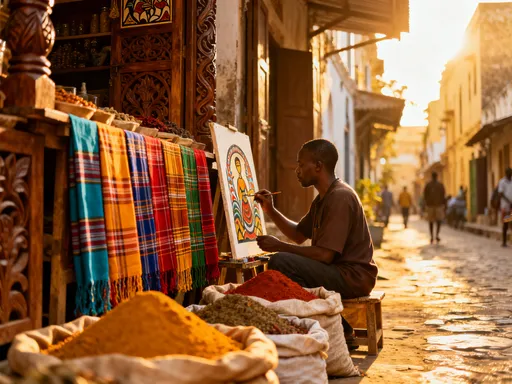
Visitors should also explore the city’s vibrant market culture. The Coronation Market in downtown Kingston is a sensory explosion—bunches of green bananas, baskets of yams, mounds of fresh herbs, and the rhythmic calls of vendors. Here, travelers can sample fresh coconut water straight from the husk, try roasted corn, or purchase spices to take home. Engaging with market sellers not only supports local commerce but often leads to recipe tips or cooking advice.
The lesson is simple: let go of the need for perfection and embrace the messiness of real food culture. A plastic chair at a roadside stand, the sound of reggae in the background, the heat of the sun—these are part of the experience. When travelers prioritize authenticity over aesthetics, they don’t just eat well—they connect with the rhythm of daily life in Kingston.
Underestimating Logistics and Transit Hurdles
One of the most underestimated challenges of visiting Kingston is navigating its transportation system. Unlike cities with streamlined metro lines or clear bus routes, Kingston operates on a more organic, informal network. The minibus system, known locally as “route halls,” is the backbone of public transit but can be overwhelming for newcomers. Buses follow no published schedules, depart when full, and often take indirect routes. While this system works efficiently for locals, it can leave tourists confused and stranded.
Unlicensed taxis, or “dollar vans,” are another common pitfall. These vehicles may offer lower fares, but they lack insurance, safety standards, and accountability. Some drivers may overcharge tourists or take longer routes to increase the fare. In contrast, licensed taxis display identification and follow regulated rates, though even these can vary depending on the time of day and destination.
The most reliable option for visitors is to use ride-hailing apps where available. Uber operates in Kingston and provides transparent pricing, GPS tracking, and driver verification. For longer trips—such as visits to the Blue Mountains or Port Royal—arranging transportation through a hotel or trusted tour operator ensures safety and peace of mind. It is also wise to build buffer time into daily plans, as traffic congestion, road conditions, and unexpected delays are part of the local rhythm.
Flexibility is key. Instead of viewing transit challenges as inconveniences, travelers can reframe them as opportunities to slow down and observe. A delayed minibus ride might lead to a conversation with a local artist, a shared laugh over a bumpy road, or an unexpected glimpse of a hidden neighborhood. By embracing the unpredictability of Kingston’s transit, visitors align themselves with the city’s pace rather than fighting against it.
Missing the Quiet Magic: Beyond Reggae and Ruins
Most guidebooks and travel itineraries focus on Kingston’s biggest names—Bob Marley, Devon House, Fort Charles. While these landmarks are worth visiting, they represent only a fraction of what the city offers. The true magic of Kingston often lies in its quieter, less advertised moments: a Sunday morning gospel service in a neighborhood church, an open-air art market in Cross Roads, or a coffee tasting at a small roastery in the hills of Red Hills.
These experiences are not always listed on tourist websites, nor are they easily found through search engines. They emerge through conversation, curiosity, and a willingness to wander. A chat with a hotel employee might lead to an invitation to a local poetry night. A walk through a residential street could reveal a mural that tells the story of a community’s resilience. These moments are not staged—they are lived.
The Blue Mountains, just a short drive from the city, offer another dimension of tranquility and beauty. Hiking trails lead through misty forests, past waterfalls, and to some of the world’s most prized coffee farms. A visit to a small-scale grower, where beans are hand-picked and roasted on-site, provides insight into a craft that has shaped Jamaica’s global reputation. These experiences are not about checking boxes—they are about immersion.
To access this quieter side of Kingston, travelers must shift their mindset. Instead of rushing from one landmark to the next, they should allow time for stillness, for conversation, for unexpected discoveries. This doesn’t mean abandoning structure entirely, but rather building in space for spontaneity. A single afternoon spent in a local park, listening to music, watching children play, and sharing a snack with a stranger, can yield more insight than a dozen guided tours.
Conclusion
Avoiding pitfalls in Kingston isn’t about fear—it’s about respect, awareness, and curiosity. When travelers swap assumptions for attentiveness, they don’t just survive the trip—they transform it. The city rewards those who look deeper, move slower, and engage honestly. In doing so, they don’t just see Kingston; they begin to understand it. From honoring local etiquette to supporting community-based tourism, from embracing real flavors to navigating transit with patience, every choice shapes the experience. Kingston is not a destination to conquer, but a culture to connect with. And for those willing to listen, it offers not just memories, but meaning.