You Won’t Believe These Jaw-Dropping Buildings in Sabah
If you think Sabah is just about Mount Kinabalu and orangutans, think again. I was blown away by the wild, one-of-a-kind architecture hiding in plain sight across this Malaysian gem. From futuristic mosques to jungle-clad eco-lodges and colonial-era gems with a twist, every structure tells a story. This isn’t just sightseeing—it’s like walking through living art. Let me take you on a tour of the most unexpected, Instagram-worthy buildings you *have* to see.
First Impressions: Where Architecture Meets Nature
As your plane descends toward Kota Kinabalu, the capital of Sabah, a striking visual unfolds: a skyline that rises gently against the backdrop of emerald rainforests and the shimmering South China Sea. Unlike other Southeast Asian cities where concrete dominates, Kota Kinabalu’s architecture feels like an extension of its natural surroundings. Buildings are designed not to overpower the landscape but to harmonize with it. The city’s coastal position, nestled between sea and mountain, has inspired a unique architectural identity—one that balances modernity with environmental sensitivity.
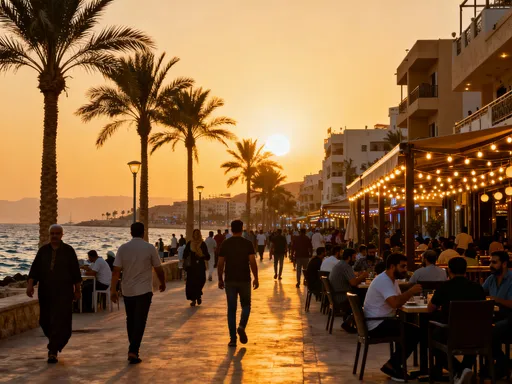
Along the waterfront, the blend of sea, sky, and structure creates a serene rhythm. The Promenade, a favorite spot for locals and tourists alike, features low-rise buildings with open-air designs, wide overhangs, and reflective glass that mirrors the water. These aren’t just aesthetic choices—they’re responses to Sabah’s tropical climate. Architects prioritize natural ventilation, shade, and flood resilience, especially in areas prone to seasonal tides. Materials like local timber, coral stone, and reinforced concrete are chosen not only for durability but also for their ability to age gracefully in humid conditions.
What makes Sabah’s architecture truly distinctive is how it draws from multiple influences—Malay, Chinese, British colonial, and indigenous traditions—while responding to the region’s ecological realities. The result is a built environment that feels both modern and rooted. For example, many new developments incorporate green roofs, rainwater harvesting systems, and solar shading, reflecting a growing awareness of sustainability. This fusion of form and function isn’t accidental; it’s a deliberate effort to create spaces that are beautiful, livable, and respectful of the island’s fragile ecosystems.
Travelers arriving in Sabah often come for the natural wonders, but they stay for the way the city feels—alive, balanced, and thoughtfully designed. The architecture doesn’t shout for attention; it whispers, inviting closer inspection. Whether it’s the curve of a roofline echoing the shape of a traditional boat or the use of woven patterns in metal railings, details matter. These subtle nods to culture and environment make every building more than just a structure—they become part of the story of Sabah.
The Islamic Heritage Park: A Mosque Like No Other
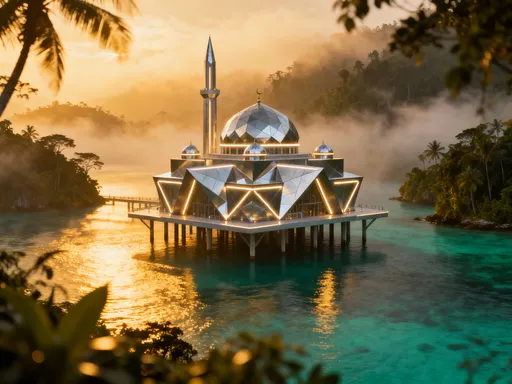
Just off the coast of Gaya Island, accessible by a short boat ride from Kota Kinabalu, lies one of Sabah’s most visually arresting landmarks—the Islamic Heritage Park on Pulau Sapi. At first glance, it looks like a collection of miniature monuments floating on the water, but this is no ordinary park. It’s a full-scale tribute to Islamic architecture from across the Muslim world, anchored by a stunning floating-style mosque that appears to rise from the sea itself. With its turquoise domes, slender minarets, and reflective pools, the mosque is a masterpiece of design and symbolism.
The architecture draws inspiration from iconic Islamic structures—from the Blue Mosque in Turkey to the Alhambra in Spain and the Taj Mahal in India. Yet, it’s not a mere replica. The designers adapted classical elements to suit Sabah’s coastal environment, using elevated foundations to protect against tides and incorporating open-air prayer halls that allow sea breezes to flow through. The result is a space that feels both grand and serene, traditional and innovative. The central dome, painted in soft turquoise, catches the sunlight in a way that makes it glow at dawn and dusk, creating a spiritual ambiance that resonates with visitors of all backgrounds.
For Muslim visitors, the mosque is a place of worship and reflection. For others, it’s a cultural experience unlike any other. The park also features scaled models of famous Islamic buildings, each accompanied by informative panels explaining their historical and architectural significance. Walking through the complex, you gain a deeper appreciation for the diversity and richness of Islamic art and engineering. It’s a rare example of religious architecture being used not just for devotion, but for education and cross-cultural understanding.
Visiting the Islamic Heritage Park requires a bit of planning. The best time to go is early morning or late afternoon, when the light is soft and the crowds are smaller. Photography is encouraged, but visitors are asked to dress modestly and remove shoes before entering prayer areas. Women are provided with scarves if needed, and staff are welcoming and respectful. The experience is not just about taking pictures—it’s about feeling the peace that comes from standing in a space designed to elevate the soul.
Colonial Echoes: The Old State Secretariat Building
Back on the mainland, along the Kota Kinabalu waterfront, stands a relic of another era—the Old State Secretariat Building. Originally constructed during the British colonial period in the early 20th century, this grand structure has been carefully restored and now serves as the Sabah State Museum Annex. Its neoclassical façade, with symmetrical columns, arched windows, and a wide central staircase, speaks of a time when government buildings were meant to impress. But what makes this building remarkable is how it was adapted to the tropics—a rare example of colonial architecture that didn’t ignore its environment.
Unlike many colonial buildings in other parts of the world that felt out of place in their settings, this one was designed with local conditions in mind. High ceilings allow hot air to rise, while large windows and wraparound verandas promote cross-ventilation. Thick masonry walls provide thermal mass, keeping interiors cooler during the day. These were not just practical solutions—they were early forms of sustainable design. The building’s orientation maximizes shade, and its raised foundation protects it from flooding, a common concern in coastal areas.
Today, the Old State Secretariat is more than a museum—it’s a symbol of Sabah’s layered history. The preservation of this building reflects a growing commitment to heritage conservation in the region. Inside, exhibits trace the evolution of Sabah’s governance, culture, and identity, offering visitors a deeper understanding of how the past shapes the present. School groups, families, and history enthusiasts all find something meaningful here.
What’s especially moving is how the building has been repurposed with dignity. Instead of being turned into a luxury hotel or office space, it remains a public institution dedicated to education and memory. This choice sends a powerful message: that history belongs to everyone. For travelers, a visit here is a quiet but profound experience—a chance to step into a bygone era without losing touch with the present. The building stands as a bridge between times, reminding us that architecture can be both beautiful and meaningful.
Eco-Innovation: Staying in Jungle Treehouses and Green Resorts
Deep in the heart of Sabah’s rainforests, where the air hums with the sounds of cicadas and birds, a new kind of architecture is redefining what it means to travel responsibly. In places like Danum Valley and the Kinabatangan River region, eco-lodges have emerged as pioneers of sustainable design. These are not just places to sleep—they are immersive experiences built on principles of minimal impact, cultural respect, and environmental harmony. From treehouses perched above the forest floor to low-impact bungalows made of bamboo and recycled materials, these structures prove that luxury and sustainability can coexist.
One of the most striking features of these eco-lodges is how they disappear into the landscape. Architects use natural materials—rattan, bamboo, reclaimed timber, and thatch—to blend structures into the surroundings. Roofs are steeply pitched to handle heavy rainfall, and walls are often open or louvered to allow airflow. Solar panels provide electricity, composting toilets reduce water use, and rainwater is collected for daily needs. Every detail is considered, from the placement of windows to capture morning light to the use of local labor and craftsmanship in construction.
Staying in one of these lodges is an education in itself. Guests learn about permaculture gardens, wildlife monitoring, and forest conservation through guided walks and talks. The design encourages connection—not just with nature, but with the people who live there. Many lodges partner with nearby indigenous communities, providing employment and supporting cultural preservation. This model of tourism ensures that visitors leave not just with memories, but with a deeper understanding of the challenges and beauty of rainforest life.
For travelers seeking a meaningful escape, these eco-lodges offer something rare: a chance to slow down, unplug, and reconnect. There are no TVs, no air conditioning, and often no Wi-Fi—but none of that matters when you’re falling asleep to the sound of gibbons calling in the distance. The architecture supports this experience by removing distractions and focusing on essentials: comfort, safety, and beauty. It’s a reminder that the best designs aren’t about grandeur, but about creating spaces where people can feel at peace.
Cultural Fusion: The Mari-Mari Cultural Village Longhouse
Near the foothills of Mount Kinabalu, the Mari-Mari Cultural Village offers a living showcase of Sabah’s indigenous heritage—and at its heart stands a reconstructed traditional longhouse. This isn’t a museum piece frozen in time; it’s a dynamic space where culture is practiced, shared, and celebrated. The longhouse, home to the Kadazan-Dusun people, is built on stilts, with a long communal hall and separate family compartments. Its design is both practical and symbolic, reflecting a way of life centered on community, resilience, and harmony with nature.
What makes the Mari-Mari longhouse special is how it balances authenticity with accessibility. While it follows traditional construction methods—using bamboo, wood, and thatch—it also includes modern safety features and visitor amenities. The elevated structure protects against floods and wild animals, while the open layout encourages social interaction. Cooking, storytelling, and craft-making happen in shared spaces, just as they would in a real village. Visitors are invited to participate, not just observe, making the experience deeply personal.
The architecture itself tells a story. The steeply pitched roof, covered in palm leaves, sheds rain quickly—a necessity in a region with frequent downpours. The use of natural materials means the building breathes, staying cool in the heat. Decorative elements, like carved wooden panels and woven wall hangings, carry cultural meanings, often tied to spiritual beliefs or ancestral traditions. Guides explain these details with pride, emphasizing the wisdom passed down through generations.
For families and curious travelers, the longhouse offers more than shelter—it offers insight. You learn how indigenous communities live in balance with the forest, using only what they need and giving back through rituals and stewardship. The experience fosters respect and empathy, breaking down stereotypes and building bridges. In a world where traditional ways of life are disappearing, places like Mari-Mari play a vital role in preservation and education. The longhouse is not just a building; it’s a classroom, a home, and a cultural sanctuary.
Urban Edge: Kota Kinabalu’s Modern Architectural Gems
Back in the city, a new wave of architecture is shaping Kota Kinabalu’s skyline. While the city remains relatively low-rise compared to Kuala Lumpur or Singapore, its modern buildings stand out for their bold designs and cultural references. Two structures in particular—the Sabah Foundation Tower and Wisma Tun Mustapha—have become icons of contemporary Sabah. These are not just office buildings; they are statements of identity, blending modern engineering with local symbolism.
The Sabah Foundation Tower, with its clean lines and reflective glass, incorporates subtle nods to indigenous weaving patterns in its façade. The geometric motifs, inspired by traditional textiles, are laser-cut into metal panels, creating a dynamic play of light and shadow throughout the day. Inside, the building houses cultural programs, scholarships, and community initiatives, reinforcing its role as a hub for development and heritage. Its architecture reflects a vision of progress that doesn’t erase the past but builds upon it.
Wisma Tun Mustapha, once the tallest building in Sabah, features a distinctive stepped design that mimics the terraced rice fields of the highlands. Its silhouette is instantly recognizable, especially at night when it’s illuminated in rotating colors. While primarily a government office, the building’s presence in the cityscape serves as a reminder of Sabah’s administrative importance and aspirations. Urban planners have worked to ensure that new developments like this don’t overwhelm the city’s character, maintaining sightlines to the sea and preserving green spaces.
What’s encouraging is how city leaders are thinking about architecture as part of a larger vision. New zoning laws encourage mixed-use developments, pedestrian-friendly streets, and green building standards. The goal is not to turn Kota Kinabalu into a metropolis, but to make it a livable, beautiful city that reflects the values of its people. For travelers, this means a more enjoyable urban experience—one where walking, shopping, and sightseeing feel natural and connected. The city’s architecture is no longer just functional; it’s expressive.
Why This Matters: Architecture as a Gateway to Deeper Travel
When we travel, we often focus on the obvious—scenic views, wildlife encounters, delicious food. But architecture offers something different: a window into the soul of a place. The buildings of Sabah—whether centuries-old, colonial, or cutting-edge—tell stories of adaptation, identity, and creativity. They reveal how people have lived, believed, and dreamed across generations. To walk through these spaces is to understand Sabah not just as a destination, but as a living, evolving culture.
More than that, architecture invites us to think about our own relationship with the environment and community. In an age of climate change and rapid urbanization, Sabah’s approach—balancing modernity with tradition, development with sustainability—offers valuable lessons. The eco-lodges show how design can protect nature. The cultural village demonstrates how heritage can be preserved without being frozen in time. The modern towers prove that progress doesn’t have to mean losing identity.
For travelers, especially those in their 30s to 50s who value meaningful experiences, these buildings provide a deeper connection. They spark conversations, inspire photographs, and create lasting memories. They remind us that travel is not just about seeing new places, but about seeing them in new ways. When you stand in a floating mosque, walk through a colonial hall, or sleep in a treehouse, you’re not just a visitor—you’re a participant in a story that continues to unfold.
So the next time you plan a trip to Sabah, go beyond the guidebook highlights. Seek out the structures that make you pause, wonder, and reflect. Let the architecture guide you. Because in the end, the most unforgettable journeys are not just measured in miles, but in moments of connection—between people, places, and the built world that ties them together.