You Won’t Believe These Hidden Shops in Kamakura
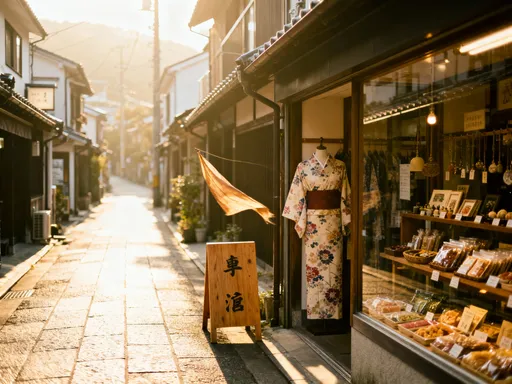
Kamakura is more than just temples and the great Buddha—trust me, I was surprised too. While most visitors flock to the famous landmarks, I stumbled upon quiet alleys lined with tiny, family-run shops selling handmade crafts, vintage kimono, and local snacks you won’t find anywhere else. These off-the-beaten-path shopping spots offer an authentic taste of old Japan. If you’re craving real connection over commercial souvenirs, this is your sign to wander deeper.
Beyond the Tourist Trail: Rethinking Kamakura’s Charm
Kamakura has long been celebrated as a city of spiritual serenity and natural beauty. Nestled between forested hills and the shimmering Pacific coast, it draws millions each year to its iconic Great Buddha at Kōtoku-in, the serene grounds of Tsurugaoka Hachimangū Shrine, and the scenic Daibutsu hiking trail. These landmarks are undeniably worth visiting—each tells a story of Japan’s rich cultural and religious history. Yet, when travelers limit their experience to these postcard-perfect sites, they often miss the quiet heartbeat of the city: its everyday neighborhoods, where tradition thrives in unassuming storefronts and narrow lanes that seem untouched by time.
It wasn’t until my second visit to Kamakura that I began to notice what I had overlooked before. On a misty morning, after escaping the crowds near Hase Station, I turned down a side street lined with moss-covered stone lanterns and wooden latticework facades. There, tucked between a small tea house and a quiet residence, was a tiny shop with no sign—just a hand-carved nameplate and a basket of handmade fans displayed by the door. Inside, an elderly woman greeted me with a gentle nod and offered green tea while I browsed her collection of indigo-dyed textiles. In that moment, I realized that Kamakura’s true charm wasn’t in its monuments, but in these intimate, human-scale encounters.
This shift in perspective transformed how I approached the rest of my trip. Instead of rushing from one temple to the next, I began to linger—walking slowly, pausing at open doorways, and allowing myself to be drawn in by the scent of roasted tea or the sound of a bell above a shop door. I learned that Kamakura’s soul lives not in its guidebook highlights, but in the rhythm of daily life: the grandmother arranging pickles in a roadside stall, the artisan sanding a wooden tray in a sunlit workshop, the neighborhood children stopping by for freshly made mochi after school. These moments, fleeting yet profound, are what make travel meaningful. And for those willing to look beyond the obvious, shopping becomes less about acquisition and more about connection.
The Allure of Offbeat Shopping: Why It Matters
Shopping in Kamakura’s lesser-known corners is not merely a pastime—it’s a quiet act of cultural preservation. Each small shop, whether selling hand-thrown pottery or repaired vintage kimonos, represents a thread in the fabric of local life. These businesses are often family-run, passed down through generations, and sustained not by mass tourism but by community support and quiet dedication. When visitors choose to step inside these unassuming spaces, they participate in a tradition of mindful consumption that values quality, craftsmanship, and human connection over speed and convenience.
Contrast this with the souvenir shops clustered near major attractions, where rows of identical fans, keychains, and plastic daruma dolls line fluorescent-lit shelves. While there’s nothing inherently wrong with these items, they rarely reflect the unique spirit of the place. They are designed for efficiency, not emotion. The real value of travel lies not in accumulating things, but in gathering memories—moments of surprise, warmth, and discovery. A hand-stitched furoshiki cloth from a neighborhood seamstress, a jar of house-made miso from a family shop, or a hand-bound notebook made from local washi paper—these are objects with stories, imbued with the care and intention of their makers.
Moreover, choosing to support small local businesses has a tangible impact. Every purchase helps sustain traditional crafts that might otherwise fade in the face of industrialization and digital commerce. It allows artisans to continue working in their chosen mediums, often using techniques that have been refined over centuries. For travelers, especially women in their 30s to 50s who value authenticity and purpose in their experiences, this kind of shopping offers a deeper satisfaction. It’s not about buying more—it’s about buying meaningfully. And in a world where so much feels disposable, holding something made with care can be quietly transformative.
Hunting for Hidden Gems: How to Find These Spots
Finding Kamakura’s hidden shops requires a shift in mindset—from checklist tourism to curious wandering. There is no app or map that can fully capture the magic of stumbling upon a tucked-away bakery where a grandmother kneads dough by hand each morning, or a woodcraft studio where the scent of cedar fills the air. The key is to slow down, look closely, and let the city reveal itself in its own time.
Start by avoiding the busiest streets during peak hours. Early mornings, especially on weekdays, are ideal. By 8:30 a.m., the main tourist paths are still quiet, and local life is in full motion. Shop owners are opening their doors, arranging displays, and greeting neighbors. This is when you’re most likely to see the city as residents do. Wander without a strict destination—let a splash of color in a window, the chime of a wind bell, or the aroma of grilling fish draw you in. Some of the most memorable finds come from following intuition rather than GPS.
Pay attention to subtle cues. Hand-painted signs in delicate calligraphy, rather than digital banners, often indicate a family-run business. Open doors with mats placed outside suggest a welcoming space. Displays of handmade goods—perhaps a row of ceramic bowls on a wooden shelf or a rack of folded kimonos—invite closer inspection. Don’t be afraid to pause and peer inside. Many shopkeepers appreciate genuine interest, even if you don’t buy anything. A polite bow, a quiet “konnichiwa,” and a warm smile go a long way in building connection.
Navigating without relying on technology also enhances the experience. While digital maps are useful for orientation, they can keep you tethered to the familiar. Instead, use paper maps or simply retrace your steps when something catches your eye. Getting slightly lost is not a mistake—it’s an opportunity. Some of Kamakura’s most charming lanes are unnamed, winding through residential areas where hydrangeas bloom in summer and bamboo fences rustle in the breeze. These are the places where time seems to slow, and where the city’s quieter treasures wait to be discovered.
Local Crafts & Artisan Studios: Where Tradition Lives On
One of the most rewarding aspects of exploring Kamakura’s hidden shopping scene is encountering the artisans who keep traditional crafts alive. Scattered throughout the city’s backstreets are small studios where makers work with quiet dedication, often using techniques that have been handed down for generations. These are not performance spaces for tourists, but real workplaces where beauty emerges from repetition, patience, and deep knowledge.
Ceramics, in particular, hold a special place in Kamakura’s craft culture. You’ll find studios where potters shape clay on low wheels, firing their pieces in small kilns behind their homes. The glazes are often inspired by the natural surroundings—soft greens reminiscent of forest moss, deep indigo echoing the sea, warm browns that mirror the earth after rain. Unlike mass-produced tableware, each piece bears the subtle imperfections of the human hand: a slight wobble in the rim, a brushstroke that bleeds just beyond the edge. These are not flaws—they are signatures of authenticity.
Equally captivating are the workshops dedicated to washi paper and woodcraft. Washi, made from the fibers of mulberry trees, is used to create delicate lanterns, notebooks, and decorative items. Watching a craftsman layer pulp by hand, then press and dry it under the sun, is a lesson in mindfulness. Similarly, woodworkers shape chopsticks, trays, and tea scoops with tools that have changed little over centuries. Some offer short demonstrations, allowing visitors to see the grain emerge as sandpaper smooths the surface. In these moments, you witness not just the creation of an object, but the continuation of a legacy.
What makes these items so special is not just their beauty, but the connection they foster. Many artisans are happy to share their process, offering brief explanations in simple English or through gestures and smiles. Some allow you to personalize a piece—engraving a name, choosing a glaze color, or selecting the wood grain. These interactions transform a simple purchase into a shared moment of understanding. And when you bring one of these pieces home, it carries more than aesthetic value—it carries the memory of a person, a place, and a tradition that endures.
Vintage & Secondhand Treasures: Kimonos, Books, and More
For those drawn to the elegance of Japanese textiles, Kamakura’s vintage shops offer a quiet treasure hunt. Tucked away in quiet neighborhoods, these small boutiques specialize in secondhand kimonos, obi belts, and accessories, often carefully preserved and lovingly curated. Unlike the costume-like kimonos sold in tourist areas, these pieces reflect real family histories—worn for weddings, festivals, or seasonal celebrations, then stored away with care.
Browsing a vintage kimono shop is an exercise in patience and appreciation. The garments are folded neatly on shelves or hung from wooden racks, their patterns telling stories of nature and seasonality: cranes for longevity, cherry blossoms for spring, waves for resilience. Some are formal, made of silk with intricate embroidery; others are casual, woven from cotton or linen for summer wear. Shopkeepers often allow gentle handling, encouraging you to feel the fabric and examine the details. While trying on may be limited, many stores offer mirrors and assistance in selecting a piece that suits your style.
Equally enchanting are the old bookshops that dot Kamakura’s quieter lanes. These are not large commercial stores, but cozy spaces filled with the scent of aged paper and ink. Shelves overflow with secondhand novels, poetry collections, and art books, many in Japanese but some with English titles or beautiful illustrations. You might find postcards from the 1960s, vintage maps, or even old family photo albums—each item a quiet echo of someone else’s life. These shops are not about acquisition, but about discovery. Flipping through a worn volume of haiku or holding a hand-painted fan from decades past creates a sense of connection across time.
When shopping in these spaces, a respectful approach is essential. Speak softly, move slowly, and ask before touching delicate items. Prices vary—some kimonos are surprisingly affordable, while rare or formal pieces may be more expensive. But even if you don’t buy, the experience of browsing is valuable. These shops are not just stores; they are archives of culture, preserving the textures of everyday beauty that might otherwise be forgotten.
Taste of Kamakura: Local Food Stalls and Specialty Shops
No exploration of Kamakura’s hidden shops is complete without engaging the senses through food. Beyond the well-known restaurants and chain cafes, the city is dotted with small vendors and family-run stalls offering seasonal specialties made with local ingredients. These are the places where grandmothers stand behind counters, shaping rice balls by hand, or where fishermen’s families sell freshly caught shirasu (whitebait) still glistening from the sea.
One of the most beloved local treats is kuzumochi—a delicate, translucent jelly made from kuzu root, served with kinako (roasted soybean powder) and kuromitsu (black sugar syrup). You’ll find it at small dessert shops tucked down side streets, often prepared fresh each morning. The texture is unlike anything else—cool, slippery, and refreshing, perfect for a warm day after a temple visit. Watching the shopkeeper ladle the mixture into molds, then cut it into neat squares, is a small ritual in itself.
Another must-try is shirasu don, a simple yet exquisite dish of steamed young fish served over warm rice. The best versions come from coastal stalls near Zaimokuza or Yuigahama, where the catch is so fresh it’s barely cooled from the ocean. Paired with a sprinkle of green onions and a dash of soy sauce, it’s a humble meal that tastes like the sea itself. Nearby, you might find vendors selling senbei—crispy rice crackers grilled over charcoal and brushed with soy or seaweed. Each bite crackles with flavor, a testament to the care behind such a simple snack.
These food experiences are not just about taste—they are about interaction. Buying directly from the person who made or harvested the food creates a moment of exchange that transcends language. A smile, a nod, a shared appreciation for quality—these small gestures build bridges. And when you savor a piece of handmade wagashi or a warm onigiri wrapped in nori, you’re not just eating; you’re participating in a culture of care, seasonality, and generosity. For travelers seeking authenticity, these moments are priceless.
Putting It All Together: A Thoughtful Shopping Journey
By the end of my time in Kamakura, I realized that my shopping experiences had become the heart of my journey. The temples were beautiful, the views breathtaking—but it was the quiet moments in small shops that stayed with me. The woman who let me watch her paint a fan by hand. The elderly couple who shared stories about their pickle shop’s history. The young potter who let me hold a still-warm teacup fresh from the kiln. These were not transactions; they were connections.
This shift—from shopping as consumption to shopping as cultural exchange—changed how I travel. I now seek out neighborhoods over landmarks, conversations over checklists. I’ve learned that the most meaningful souvenirs aren’t the ones that look impressive on a shelf, but the ones that carry a story, a memory, a face. A hand-dyed tenugui towel, a jar of sea salt from a local maker, a book of Kamakura’s folk tales in translation—these are the items that continue to speak long after the trip ends.
More than that, I’ve come to see mindful shopping as a way to honor and preserve culture. Every time we choose a handmade item over a mass-produced one, every time we step into a small shop and engage with its owner, we support a way of life that values patience, craftsmanship, and community. In a world that often feels rushed and impersonal, these choices matter.
So the next time you visit Kamakura—or any place rich in history and heart—let yourself wander. Step off the main path. Follow the scent of tea, the sound of a bell, the sight of a hand-painted sign. Look beyond the souvenirs and seek the stories. Because sometimes, the most unforgettable treasures aren’t found in guidebooks. They’re waiting in plain sight, in the quiet corners where tradition lives on, one small shop at a time.