You Gotta See How Sharm El Sheikh’s Public Spaces Steal the Show
Most people come to Sharm El Sheikh for the reefs — and yeah, they’re insane — but what totally blew my mind was how alive the city feels beyond the resorts. The streets, markets, waterfronts — they’re not just functional, they’re *vibrant*. I wasn’t expecting to fall for the public spaces here, but between the Red Sea breeze, local cafes spilling onto sidewalks, and the buzz of open-air squares, it’s where the real soul of the city lives. This is a side of Sharm few talk about — but everyone should experience.
Beyond the Resorts: Discovering Sharm’s Urban Pulse
Sharm El Sheikh is often reduced to a postcard image: turquoise water, coral reefs, and sprawling resorts tucked behind private gates. But step outside those manicured lobbies, and a different rhythm emerges — one defined by foot traffic, laughter echoing off sun-bleached walls, and the scent of grilled corn drifting through open-air plazas. While the tourism industry has shaped much of the city’s infrastructure, Sharm is, at its core, a real Egyptian urban center with a growing population, diverse neighborhoods, and a public life that pulses with authenticity.
The contrast between the resort zones and the city’s communal spaces could not be starker. Inside the resorts, life unfolds in controlled environments — quiet pools, scheduled activities, curated views. Outside, especially in areas like Naama Bay and the downtown districts, life spills into the open. Locals gather in clusters under shaded umbrellas, children dart between market stalls, and elderly men sip tea while watching the world pass by. These are not staged performances for tourists; they are daily rituals, deeply embedded in the social fabric of the city.
What makes this urban pulse so compelling is its accessibility. Unlike many tourist destinations where visitors are funneled into exclusive enclaves, Sharm El Sheikh invites interaction. Sidewalks are wide enough for strolling, street lighting is consistent, and the pace of life encourages lingering rather than rushing. Whether it’s a morning walk along the waterfront or an evening spent browsing handcrafted souvenirs, the city’s public spaces offer a rare blend of safety, comfort, and cultural immersion.
This accessibility also reflects a broader shift in how Egyptian cities are evolving. Urban planners and local authorities have increasingly recognized that vibrant public spaces are not just aesthetic additions — they are essential to quality of life, community cohesion, and sustainable tourism. In Sharm, this awareness has translated into deliberate efforts to maintain clean, walkable streets, support small businesses, and preserve open areas where people can gather without commercial pressure.
Naama Bay: Where the City Comes Together
If Sharm El Sheikh has a living room, it’s Naama Bay. More than just a tourist hotspot, this crescent-shaped stretch of coastline functions as the city’s primary social hub — a place where locals meet friends, visitors discover hidden cafes, and the energy of the city feels most concentrated. What sets Naama Bay apart is not its shops or restaurants alone, but the way its design fosters connection. The absence of vehicular traffic in key zones creates a pedestrian-first environment, allowing people to move freely, pause at will, and engage with their surroundings without the constant hum of engines.
The layout of Naama Bay follows a simple yet effective principle: prioritize human scale. Buildings are kept relatively low, preserving sightlines to the water and ensuring that sunlight reaches the ground level for much of the day. Wide sidewalks accommodate foot traffic, while shaded seating areas — often tucked beneath palm trees or covered terraces — provide relief from the midday sun. Street performers, from traditional drummers to acoustic guitarists, add a layer of spontaneity, turning an ordinary stroll into a minor celebration.
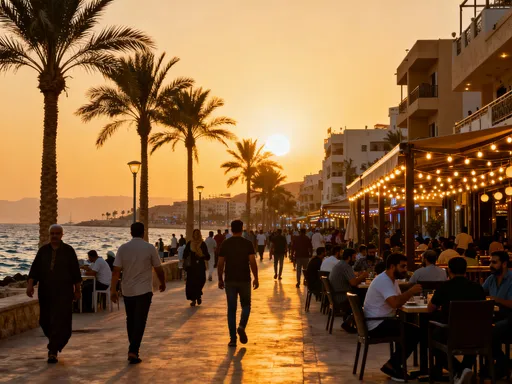
As the sun begins to dip, the atmosphere transforms. Strings of soft lights illuminate the walkways, outdoor grills send plumes of fragrant smoke into the air, and the sound of conversation rises in multiple languages. Restaurants spill onto the pavement with tables arranged in intimate clusters, encouraging diners to linger over spiced lentil soup, grilled kofta, and glasses of hibiscus tea. It’s not uncommon to see families sharing meals, couples holding hands, or solo travelers striking up conversations with strangers — all made possible by the openness of the space.
What’s often overlooked is how climate and culture shape this experience. The Red Sea coast enjoys warm temperatures year-round, making outdoor living not just possible but desirable. At the same time, Egyptian culture places a high value on hospitality and socializing, which naturally extends into public life. In Naama Bay, these elements converge to create an environment where people feel invited to participate, not just observe. It’s a subtle but powerful distinction — one that turns a commercial district into a true community space.
The Corniche: A Waterfront Worth Wandering
Stretching for kilometers along the Red Sea, the corniche is Sharm El Sheikh’s most iconic public artery. More than just a scenic pathway, it functions as a shared living room for residents and visitors alike — a place to walk, cycle, jog, or simply sit and watch the water. Lined with date palms, dotted with benches, and bordered by the gentle lapping of waves, the corniche offers a rare combination of natural beauty and urban functionality.
One of its greatest strengths is accessibility. Unlike many waterfront developments that cater exclusively to high-end developments or gated communities, Sharm’s corniche remains open and free to all. There are no entry fees, no restricted zones, and no need to make a purchase to enjoy the view. This inclusivity is central to its success — it means that a local fisherman can cast his line beside a European tourist taking photos, and both feel equally welcome.
The sensory experience along the corniche is rich and layered. In the early morning, the air carries the crisp saltiness of the sea, mingling with the aroma of freshly baked baladi bread from nearby vendors. As the day progresses, the scent of grilled seafood — particularly shrimp and red mullet — wafts from open-air stalls, drawing in hungry passersby. By sunset, the sky blazes in hues of orange and pink, reflecting off the calm waters and casting long shadows across the path. It’s a daily spectacle that requires no ticket, no reservation — just presence.
For those looking to engage more actively, the corniche supports a range of activities. Dedicated cycling lanes run parallel to the walkway, allowing cyclists to move safely alongside pedestrians. Joggers take advantage of the flat, well-maintained surface, often starting their runs at dawn when temperatures are cooler. Families spread out on grassy patches near playgrounds, while couples find quiet corners to sit and talk. The rhythm of life here is fluid, shaped by personal preference rather than rigid schedules.
Visitors are advised to experience the corniche at different times of day to appreciate its full character. Early mornings offer solitude and cool breezes, ideal for reflection or light exercise. Late afternoons bring increasing activity, especially as locals begin to emerge after work. Evenings are perhaps the most vibrant, with music drifting from nearby cafes and children playing under the watchful eyes of parents. To truly blend in, one need only slow down, follow the local pace, and allow the sea breeze to guide the moment.
Souks and Street Markets: Commerce as Community
In Sharm El Sheikh, shopping is rarely a transactional affair — it’s a social event. The city’s souks and street markets are not merely places to buy goods; they are stages for interaction, negotiation, and cultural exchange. From the bustling Old Market to smaller pop-up stalls that appear in plazas during weekends, these spaces thrive on human connection as much as commerce.
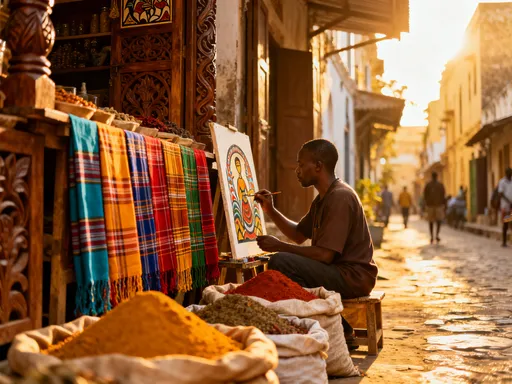
The Old Market, located just inland from Naama Bay, is a prime example. Narrow alleys wind between colorful displays of spices, textiles, and handmade jewelry. Vendors call out greetings in multiple languages, offering samples of dates or invitations to sip sweet tea. Bargaining is expected, not as a haggling contest, but as a ritual — a way to establish rapport before reaching an agreement. A simple exchange over the price of a woven basket can evolve into a conversation about family, travel, or favorite dishes, turning a purchase into a shared experience.
What makes these markets feel authentic is their integration into daily life. Unlike tourist-only bazaars found in other destinations, Sharm’s markets serve both locals and visitors. You’ll see Egyptian women selecting fabric for traditional galabeyas, fishermen buying supplies, and teenagers browsing sunglasses. This blend ensures that the energy remains genuine, not performative. The goods on display — from hand-embroidered linens to locally harvested honey — reflect regional craftsmanship rather than mass-produced souvenirs.
For visitors, navigating these spaces respectfully enhances the experience. A smile, a polite greeting in Arabic — even a simple 'salaam alaikum' — goes a long way. Observing before engaging, asking permission before photographing, and accepting tea when offered are small gestures that signal openness and respect. These moments of connection are often more memorable than any item purchased.
Moreover, the market economy supports a network of small entrepreneurs — artisans, farmers, and traders — who depend on foot traffic for their livelihoods. By choosing to shop here rather than in mall boutiques, tourists contribute directly to the local economy. This economic dimension adds depth to the experience, reminding visitors that public spaces are not just scenic backdrops but vital ecosystems of work, trade, and survival.
Parks and Plazas: Green Oases in the Desert City
In a landscape dominated by sand and sea, green spaces might seem like an afterthought. Yet in Sharm El Sheikh, parks and plazas play a crucial role in urban life. Though modest in size compared to those in larger cities, these oases offer shade, seating, and a sense of calm amid the urban buzz. They are particularly valued during the hotter months, when even brief exposure to direct sunlight can be overwhelming.
One of the most frequented green areas is the central plaza near the municipal gardens. Here, fountains provide both visual interest and cooling mist, while shaded benches arranged in small clusters invite conversation. Children run through shallow water features, laughing as they dodge sprays, while parents supervise from nearby. Playgrounds, though simple, are well-maintained, with swings and climbing frames that see constant use during weekends and school holidays.
The design of these spaces reflects a practical understanding of the desert climate. Native, drought-resistant plants like acacia and desert hyacinth are used extensively, minimizing water consumption while providing aesthetic value. Irrigation systems operate on timers, often at night, to reduce evaporation. Canopies and pergolas made of woven reeds or fabric offer protection from the sun without blocking airflow, ensuring comfort without relying on energy-intensive cooling.
These parks are also social equalizers. Unlike private clubhouses or resort amenities, they are free and open to all. You’ll see families from different economic backgrounds sharing the same space, teenagers gathering after school, and elderly residents enjoying afternoon tea. Some plazas host informal chess games or Quran recitation circles, further reinforcing their role as hubs of community life.
Despite their importance, challenges remain. Water scarcity limits the expansion of green areas, and maintenance requires consistent investment. Still, the city’s commitment to preserving these spaces speaks to a growing recognition that urban well-being depends on access to nature, however small. In a desert environment, even a single tree can become a landmark — a place to meet, rest, and reconnect.
Public Space and Cultural Rhythm: When Locals Take Over
Tourists often experience Sharm El Sheikh through a lens of leisure — diving, dining, sunbathing. But to understand the city’s true character, one must tune into its cultural rhythm. Public spaces shift in tone and use throughout the day, reflecting the routines and traditions of Egyptian life. These patterns are subtle but significant, offering a window into how locals inhabit their city.
Mornings belong to the walkers and joggers. As the sun rises, the corniche fills with people taking advantage of the cooler temperatures. Some move in silence, focused on their pace; others walk in pairs, discussing the day ahead. In parks, older residents perform light exercises or practice tai chi-like movements, emphasizing balance and breath. Vendors begin setting up, selling fresh juice, boiled eggs, and warm bread — simple fuel for the day’s work.
By mid-afternoon, activity slows. The heat drives most indoors, but public spaces don’t go silent. In shaded corners of plazas, small groups of men gather for tea, seated on low stools with tiny glasses of strong, sugary drink. These tea circles are more than social breaks — they are forums for discussion, storytelling, and connection. Laughter rises and falls in waves, punctuated by the clink of glasses and the rustle of cards being shuffled.
Evenings mark the return of energy. Families emerge after dinner, often dressed in their best clothes, for what’s known as 'tamees' — the evening stroll. Parents push strollers, children ride scooters, and teenagers walk in tight-knit groups, phones in hand but eyes scanning the scene. Music from cafes blends with the murmur of conversation, creating a soundtrack of urban life. Fridays and weekends see even greater turnout, as extended families gather for outings that can last for hours.
For visitors, aligning with these rhythms enhances authenticity. Choosing to walk the corniche in the early morning or join the evening flow in Naama Bay allows for deeper immersion. Observing without intruding, listening to the cadence of daily life, and respecting local customs — such as dressing modestly and avoiding public displays of affection — ensures that the experience remains respectful and meaningful.
Design, Accessibility, and the Future of Shared Spaces
Sharm El Sheikh’s public spaces succeed not by accident, but by intention. Their walkability, cleanliness, and inclusive design reflect years of urban planning that, while influenced by tourism, increasingly serves the needs of residents. Sidewalks are wide and unobstructed, crosswalks are clearly marked, and lighting ensures safety after dark. These seemingly small details collectively shape the experience of being in the city — making it feel navigable, welcoming, and alive.
Yet challenges persist. Some areas still lack adequate shade or seating, making extended stays uncomfortable during peak heat. Accessibility for people with mobility challenges remains limited in certain zones, with uneven surfaces or missing ramps. Waste management, while generally effective, can falter during high season, requiring more robust systems to maintain cleanliness.
Looking ahead, the city faces a balancing act: how to accommodate growing tourism while preserving the authenticity and usability of public spaces. Ongoing development projects suggest a commitment to improvement — new bike paths, upgraded plazas, and expanded green areas are in various stages of planning. The key will be ensuring that these upgrades benefit all users, not just those with spending power.
Ultimately, what makes Sharm El Sheikh’s public spaces remarkable is their ability to foster connection. They are not just backdrops for photos, but stages for real life — where cultures meet, families bond, and strangers exchange smiles. In a world where many tourist destinations feel increasingly sanitized or exclusive, Sharm offers something rare: a place where the city itself becomes the attraction.
The reefs may draw people in, but it’s the sidewalks, markets, and seafront paths that make them stay — not just physically, but emotionally. Because when a destination invests in its public life, it does more than entertain; it invites belonging. And in that invitation lies the true magic of Sharm El Sheikh.