Lost My Heart in Vik’s Wild Soul
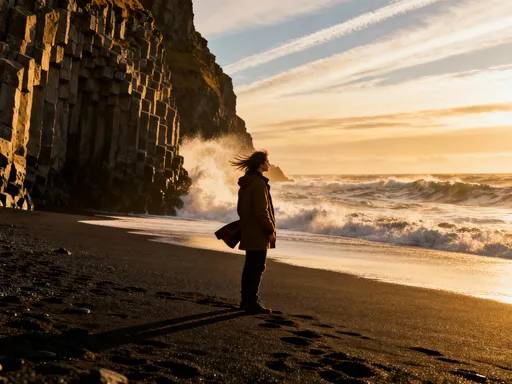
Iceland’s raw beauty hits different when you’re standing on black sand with Atlantic waves roaring beside you. I came to Vik for the views, but stayed for the culture—the warmth in small-town cafes, the sagas whispered through local art, and traditions alive in everyday life. This isn’t just a pit stop on the Ring Road; it’s a place where nature and heritage collide in the most unexpected ways. The air carries stories older than memory, and the landscape feels less like scenery and more like a living archive. In Vik, every stone, gust of wind, and quiet glance from a local seems to say: slow down, listen, and let the soul of Iceland find you.
First Impressions: Stepping Into Iceland’s Rugged South Coast
Arriving in Vik, travelers are met with a landscape that feels both alien and deeply familiar. The village sits perched on the edge of the Atlantic, flanked by towering sea cliffs, vast stretches of black volcanic sand, and the brooding silhouette of Reynisfjara Beach. The sky here seems to stretch endlessly, often painted in shifting hues of gray, gold, and lavender as weather systems roll in from the ocean. It’s a place where nature announces itself without apology—wind sweeps across open fields, waves crash with thunderous force against basalt columns, and the air carries a crisp, mineral scent that lingers in the lungs.
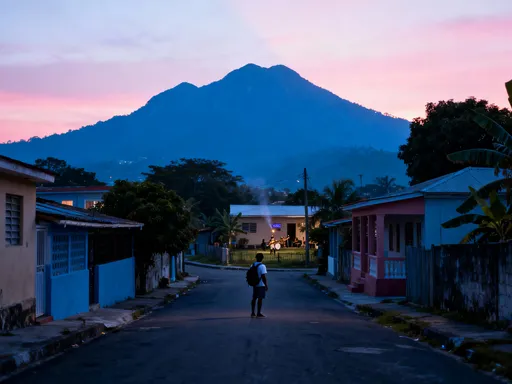
Despite its dramatic setting, Vik exudes a quiet charm that softens the ruggedness. The village itself is modest—clusters of colorful homes with turf roofs dot the hillsides, smoke curling gently from chimneys on cooler days. There are no grand monuments or bustling streets, just a few small shops, a church with a distinctive steeple, and a rhythm of life that moves at its own pace. It’s easy to see why so many visitors pause here, even if only for a night. Vik is more than a gateway to the South Coast’s natural wonders; it’s a destination that invites presence, not just observation.
Travelers often arrive expecting a postcard-perfect scene, and they find it—but they also find something deeper. The contrast between the wild environment and the village’s calm resilience creates a powerful first impression. One moment, you’re standing at the edge of a cliff watching seabirds dive into crashing surf; the next, you’re sipping coffee in a cozy cafe where the barista greets regulars by name. This duality—untamed nature and human warmth—sets the tone for the entire experience. Vik does not perform for tourists; it simply exists, and in doing so, it becomes unforgettable.
The Pulse of the Village: Life Beyond the Postcard
To understand Vik, one must look beyond the shoreline and into the daily rhythms of its residents. Tourism brings waves of visitors, especially in summer, but life here continues with a quiet consistency. At the local grocery store, shelves are stocked with staples like skyr, rye bread, and fresh fish, while the bulletin board near the entrance lists community events—knitting circles, youth soccer matches, and seasonal markets. These small details reveal a town rooted in routine and connection, where neighbors know each other and newcomers are welcomed with reserved kindness.
Conversations in guesthouses often turn to local stories—how the road was closed last winter due to snowdrifts, or how the community came together to help a stranded hiker. These moments offer glimpses into a culture that values self-reliance and mutual support. Unlike larger tourist hubs, Vik has not been reshaped by mass tourism. Instead, it adapts without losing its identity. Shops remain small and family-run, services are personal, and there’s a sense that life here is lived for the people who call it home, not for the cameras that pass through.
Icelandic hospitality is often understated, and in Vik, it manifests in subtle ways. A nod from an elder walking their dog, a shared smile in the post office, or an invitation to join a local event—these gestures build a quiet sense of belonging. Visitors who take the time to engage, even briefly, often find that the warmth of the community is as memorable as the landscape. It’s not about grand welcomes or staged experiences; it’s about authenticity, and that authenticity is what makes Vik feel less like a destination and more like a place with a soul.
Fire & Frost: Understanding Vik’s Place in Icelandic Heritage
Vik’s cultural identity is deeply intertwined with Iceland’s geological and mythological history. The village lies in a land shaped by fire and ice—volcanic eruptions, glacial floods, and centuries of adaptation to a harsh climate. This environment has forged a people who value resilience, storytelling, and a deep respect for nature. Local legends speak of trolls turned to stone by the rising sun, and many believe that the dramatic sea stacks of Reynisdrangar were once trolls caught in the light. These tales are not told for entertainment alone; they are part of a living oral tradition that connects the present to the past.
The cliffs of Dyrhólaey, just north of Vik, offer both panoramic views and historical significance. Once a site for fishing and sheep herding, the area now serves as a nesting ground for puffins and fulmars, but remnants of old farmsteads and signal fires hint at centuries of human presence. The nearby Mýrdalsjökull glacier looms in the distance, home to the active Katla volcano, a force that has shaped the region’s landscape and psyche. Locals speak of Katla with a mix of respect and caution, aware that the earth beneath their feet is never truly still.
What makes Vik’s heritage unique is how it is shared—not through museums or reenactments, but through everyday life. A grandmother knitting by the window might tell her grandchild the story of the mountain spirits. A fisherman repairing his nets might mention the old belief that the sea must be thanked after a good catch. These moments are not performed for visitors; they are lived. For the attentive traveler, they offer a rare opportunity to witness culture as it naturally unfolds, not as it is packaged for consumption.
Where Locals Eat & Gather: A Taste of Authentic Vik
Food in Vik is more than sustenance—it’s a reflection of history, climate, and community. Restaurants and cafes here are not designed to impress with luxury but to offer comfort and connection. One of the most beloved local dishes is hverabrauð, or geothermal bread, a dense, dark rye loaf slow-cooked in the ground using natural heat from hot springs. The process, which can take up to 24 hours, is a testament to Iceland’s resourcefulness and deep relationship with the earth. When served warm with butter, it carries a slightly sweet, malty flavor that lingers on the palate.
Local eateries often feature lamb stew, a hearty dish made with meat from sheep that graze freely in the highlands. The flavor is rich and earthy, shaped by the wild herbs the animals consume. Many cafes also serve kleinur (twisted doughnuts), rúgbrauð (rye bread), and skyr-based desserts, all made in-house with simple, high-quality ingredients. The atmosphere in these spaces is warm and unpretentious—wooden tables, knitted seat covers, and the occasional dog curled up by the heater.
What stands out is the sense of shared space. Locals gather here not just to eat, but to talk, read the paper, or wait out a sudden rainstorm. Tourists are welcome, but the focus is not on catering to them. Conversations in Icelandic flow freely, laughter rises from corner tables, and the rhythm of the day unfolds naturally. For visitors, sitting in one of these cafes can feel like being let in on a quiet secret—the realization that the heart of a place often beats strongest not in its landmarks, but in its kitchens and dining rooms.
Hidden Expressions: Art, Craft, and Storytelling in Small-Town Iceland
Creativity in Vik is not confined to galleries or studios—it’s woven into the fabric of daily life. One of the most enduring symbols of Icelandic craftsmanship is the lopapeysa, the traditional wool sweater with its distinctive circular yoke pattern. Many of these are still hand-knitted by local women, using wool from Icelandic sheep known for their warmth and durability. Each sweater tells a story—not just through its design, but through the time and care invested in its making.
Small shops in Vik often feature handmade goods—driftwood carvings shaped by wind and water, ceramic mugs glazed in ocean-inspired colors, and woven textiles dyed with natural pigments. These items are not mass-produced souvenirs; they are expressions of a culture that values patience, utility, and beauty. Some artisans welcome visitors to watch demonstrations, whether it’s spinning wool on an old-fashioned loom or carving a piece of reclaimed wood into a functional object.
Storytelling, too, remains a vital art form. In winter, when daylight is scarce, locals gather for evenings of sagas and songs, passing down tales of heroes, outlaws, and supernatural encounters. These sessions are not staged for tourists, but those who are invited or happen to be present often describe them as transformative. There’s a power in hearing a story told in its native language, by someone who has lived in the same landscape that shaped it. For travelers, the opportunity to witness or participate—even silently—is a rare privilege, a reminder that culture is not something to be consumed, but to be respected and preserved.
Seasonal Rhythms: How Time Changes the Experience
The character of Vik shifts dramatically with the seasons, offering distinct experiences that appeal to different kinds of travelers. In summer, the village buzzes with energy. The midnight sun casts a golden glow over the landscape, allowing for long hikes, birdwatching at Dyrhólaey, and leisurely strolls along the beach. Roads are clear, services are fully operational, and the community opens its doors to visitors with a welcoming spirit. Festivals, outdoor markets, and guided tours provide opportunities to engage with local life in a lively, accessible way.
Winter, in contrast, is a season of stillness and introspection. Days are short, nights are long, and snow often blankets the hills. The population thins, and many businesses operate on reduced hours. Yet, this is when Vik reveals a quieter, more intimate side. The church lights glow warmly against the dark, families gather for holiday meals, and the sound of the waves feels even more pronounced in the silence. For those who visit during this time, the experience is deeply personal—a chance to slow down, reflect, and connect with the land in a more contemplative way.
Each season has its rewards and challenges. Summer offers accessibility and vibrancy, while winter provides solitude and authenticity. Travelers who plan their visit with these rhythms in mind often find a deeper connection to the place. Understanding that Vik is not a year-round spectacle, but a living community shaped by natural cycles, encourages a more respectful and meaningful approach to travel. Whether under the glow of the midnight sun or the shimmer of the northern lights, Vik remains a place where time feels different—slower, richer, more intentional.
Traveling with Respect: Blending In, Not Standing Out
As Vik grows in popularity, the importance of mindful travel becomes ever more critical. The village’s charm lies in its authenticity, and that authenticity depends on how visitors choose to engage. Simple actions can make a significant difference—learning a few phrases in Icelandic, such as *góðan daginn* (good day) or *takk fyrir* (thank you), shows respect and often earns a warm response. Supporting family-run guesthouses, cafes, and craft shops ensures that tourism benefits the community directly.
Equally important is how travelers interact with the environment. Reynisfjara Beach, while breathtaking, is known for its dangerous sneaker waves. Staying behind marked barriers, avoiding cliff edges, and not disturbing bird nests at Dyrhólaey are not just safety measures—they are acts of care for a fragile ecosystem. Picking up litter, staying on trails, and minimizing noise pollution help preserve the tranquility that makes Vik so special.
Perhaps the most valuable practice is slowing down. Vik is not a place to rush through, checklist in hand. It rewards patience—sitting in a cafe without checking your phone, listening to a local conversation even if you don’t understand the words, allowing the landscape to speak on its own terms. When travelers approach Vik not as a spectacle but as a home, they open themselves to a deeper kind of experience—one built on mutual respect and quiet understanding.
Conclusion: Why Vik Stays With You Long After You Leave
Vik does not reveal itself all at once. Its magic unfolds slowly—in the steam rising from a cup of coffee, in the pattern of a hand-knitted sweater, in the way the light changes over the ocean at dusk. It’s a place where nature and culture are not separate, but intertwined, each shaping the other over centuries. Visitors come for the black sand and the sea stacks, but they leave carrying something less tangible—a sense of stillness, a memory of kindness, a feeling of having touched something real.
What lingers is not the photograph, but the moment: the sound of waves at midnight, the scent of rye bread in a warm kitchen, the quiet pride in a local’s voice as they speak of their home. Vik reminds us that the most meaningful travel is not about seeing more, but about feeling more. It challenges the idea that adventure must be loud or fast, offering instead a different kind of journey—one defined by presence, respect, and connection.
For the women who travel—not just as tourists, but as seekers, listeners, and observers—Vik offers a rare gift: a place where the soul can breathe. It doesn’t demand attention; it waits. And for those willing to pause, to listen, to let go of the need to capture and control, it gives back in ways that last long after the suitcase is unpacked. In a world that moves too quickly, Vik stands as a quiet testament to the beauty of depth, the power of tradition, and the enduring warmth of a small town that knows who it is—and invites you to remember who you are.