What No One Tells You About Festival Hopping in New Delhi
Festivals in New Delhi are a sensory explosion—vibrant, loud, and deeply alive. But behind the dazzling lights and pounding drums, there are traps even seasoned travelers fall into. I’ve danced at Diwali processions, gotten lost in Holi crowds, and learned the hard way. From overcrowded zones to cultural missteps, the pitfalls are real. This is your honest look at what to embrace—and what to skip—when diving into New Delhi’s festival scene.
The Allure of New Delhi’s Festivals: More Than Just Color and Noise
New Delhi’s festivals are not just public celebrations—they are living expressions of faith, history, and community. Each major event offers a unique window into the rhythm of Indian life, where tradition and modernity coexist in vibrant harmony. Diwali, the Festival of Lights, transforms the city into a glowing tapestry of oil lamps, golden lanterns, and fireworks that light up the night sky. Homes are cleaned and decorated, families gather for prayers, and the air carries the sweet scent of incense and freshly made sweets. The atmosphere pulses with joy, and even strangers exchange warm greetings and ladoos on the streets.
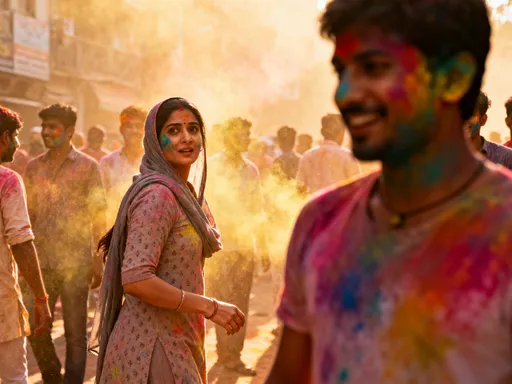
Holi, the Festival of Colors, is equally unforgettable. On this day, social boundaries dissolve as people of all ages take to the streets with handfuls of colored powder, laughing, dancing, and dousing each other in bright hues. The celebration marks the arrival of spring and the triumph of good over evil, but more than that, it feels like a collective release of joy. In neighborhoods like Chandni Chowk and Lajpat Nagar, impromptu music blares from rooftops, and children run through alleys with water balloons and pichkaris (water guns). It is pure, unfiltered celebration.
Republic Day in January adds another layer to the city’s festive calendar. The grand parade down Rajpath, now known as Kartavya Path, is a spectacle of military precision, cultural floats representing every Indian state, and soaring national pride. Schoolchildren in traditional costumes perform choreographed dances, and the Indian flag waves proudly above a sea of onlookers. For visitors, this is not just a display of patriotism—it’s a chance to witness the diversity of India in a single, powerful procession.
Yet, for all their beauty, these festivals demand more than passive observation. They require awareness, preparation, and respect. Many travelers arrive expecting only celebration and leave overwhelmed by the intensity, the crowds, or unintended cultural offenses. The truth is, New Delhi’s festivals are not theme park attractions—they are deeply rooted in local life. To truly enjoy them, one must move beyond the surface and understand the unspoken rules that govern participation.
Pitfall #1: Underestimating the Crowds—When Joy Turns to Chaos
One of the most common mistakes festival-goers make is underestimating the sheer scale of human movement during major celebrations. New Delhi, a city of over 30 million in its metropolitan area, sees its streets swell dramatically during festival seasons. During Diwali, for example, shopping districts like Connaught Place and Sarojini Nagar become nearly impassable. Malls open early and stay open late, drawing in families eager to buy gifts, new clothes, and festive decorations. The metro system, usually efficient, becomes packed beyond comfort—platforms overflow, and trains arrive already full. Travelers unfamiliar with the rush often find themselves stranded or disoriented.
The Kite Festival during Makar Sankranti in January presents another example of crowd intensity. Rooftops across Delhi come alive with people flying kites, and the sky becomes a mosaic of color and motion. However, the public spaces below—especially in areas like India Gate and Nehru Place—can become dangerously congested. In past years, emergency services have had to respond to incidents of people fainting due to heat and overcrowding. Even seemingly joyful gatherings can turn stressful when personal space vanishes and movement becomes difficult.
The risks are not just physical discomfort but also safety concerns. Heavy foot traffic increases the chances of losing personal belongings. Pickpocketing, though not widespread, does occur in densely packed areas. Tourists carrying expensive cameras or phones may become targets without realizing it. Children can easily get separated from their families in such environments, and even adults may struggle to navigate back to familiar landmarks when surrounded by a sea of unfamiliar faces.
To manage this, strategic planning is essential. Traveling during off-peak hours—early morning or late evening—can make a significant difference. Avoiding the central hubs of celebration unless fully prepared for immersion is wise. For instance, while the Diwali market at Dilli Haat is enchanting, visiting on a weekday morning rather than a weekend night will offer a more relaxed experience. Ride-sharing apps like Uber and Ola remain functional during festivals, but surge pricing is common. Booking rides in advance or using them to travel to nearby drop-off points—then walking the last stretch—can save time and reduce stress.
Pitfall #2: Dressing the Part—Cultural Respect vs. Festival Fashion
Clothing choices during festivals may seem like a personal matter, but in New Delhi, they carry cultural weight. Many travelers, eager to blend in or stand out in photos, make fashion decisions that unintentionally offend. Wearing revealing clothing—such as short skirts, tank tops, or sleeveless dresses—during religious processions or temple visits is often inappropriate. While New Delhi is a modern city with diverse styles, modesty is still valued, especially during sacred occasions like Janmashtami, when devotees fast and sing hymns in honor of Lord Krishna, or during Eid, when families attend prayers at mosques before celebrating at home.
Footwear is another overlooked detail. In many temples and homes, shoes must be removed before entry. Wearing sandals or slip-ons instead of lace-up shoes makes transitions easier and shows awareness of local customs. Some travelers arrive in heavy hiking boots or formal heels, only to struggle with removal or feel uncomfortable walking barefoot on warm stone floors. Choosing practical, respectful footwear is a small act that demonstrates consideration.
For women, cotton sarees or salwar kameez sets are not only culturally appropriate but also comfortable in Delhi’s climate. Lightweight fabrics help manage heat, especially during outdoor festivals like Holi, where the sun can be intense. Men can opt for cotton kurtas paired with pajamas or churidars—clothing that is both traditional and breathable. These outfits also make it easier to participate in rituals, such as joining a community aarti (prayer ceremony) or sitting on the floor during a shared meal.
Beyond fabric and fit, color symbolism matters. During Holi, white clothing is popular because it shows colors beautifully, but wearing pure white to a religious event may not be suitable—it can be associated with mourning in some Indian traditions. Similarly, red is auspicious and often worn during weddings and Diwali, but it may not be appropriate for somber occasions. Observing what locals wear and mirroring their choices—even loosely—goes a long way in showing respect and building goodwill.
Pitfall #3: The Food Frenzy—Delicious Risks on Every Corner
No festival in New Delhi is complete without food. The streets become open-air feasts, where the scent of frying snacks and spiced teas fills the air. Samosas crackle in oil, jalebis glisten with sugar syrup, and chaat stalls offer tangy, spicy, sweet combinations that dance on the tongue. During Diwali, homes exchange boxes of mithai (sweets) like barfi, gulab jamun, and kaju katli. At Eid, biryanis, kebabs, and sheer khurma (a sweet vermicelli pudding) are shared with neighbors and guests. The culinary generosity is heartwarming—and tempting.
Yet, for all its delights, festival street food carries health risks, especially for visitors unaccustomed to local water and spice levels. One of the biggest concerns is the use of unclean water in food preparation. Ice in drinks, chutneys, and even the water used to rinse fruits and vegetables may come from sources not safe for tourists. Dairy-based sweets, while delicious, are often made with milk that is not refrigerated properly, increasing the risk of bacterial contamination. Spices, though flavorful, can irritate sensitive stomachs, leading to discomfort or illness.
The good news is that safe eating is possible with a few smart choices. The golden rule: choose stalls with high turnover. A long line of locals is usually a sign of freshness and quality. Vendors who prepare food to order and use clean utensils are safer bets. Avoid anything that has been sitting out in the open, especially in direct sunlight. Pre-cut fruit, unsealed drinks, and chutneys in unlabeled containers should be approached with caution.
Travelers can also take simple precautions. Carrying hand sanitizer and using it before eating is wise. Bottled water from reputable brands is widely available and should be used for drinking and even brushing teeth. If trying street chai, opt for vendors who boil the milk and water in front of you. For those with sensitive digestion, starting with small portions allows the body to adjust. Over time, many visitors find they can enjoy more foods as their systems adapt. The key is patience and mindfulness—because no festival memory should be overshadowed by a stomach ache.
Pitfall #4: Misreading Cultural Cues—When Enthusiasm Backfires
Foreign travelers often approach festivals with excitement—and that enthusiasm is welcome. But without understanding cultural context, even well-meaning actions can cause discomfort. One of the most common missteps happens during Holi, when some tourists throw colored powder with excessive force or douse strangers without consent. While Holi is a joyful, inclusive festival, it is not a free-for-all. Many families celebrate quietly at home, and older adults or religious devotees may prefer not to participate in public revelry. Entering private gatherings or spraying colors on people who are not engaging can be seen as intrusive.
Similarly, taking photos without permission is a frequent issue. The vibrant costumes, decorations, and rituals make for stunning images, but snapping pictures of people in prayer, children eating, or families celebrating in their homes can feel invasive. In some communities, photography during religious events is discouraged or even prohibited. A simple gesture—smiling, pointing to your camera, and asking “May I take a photo?”—can prevent offense and often lead to warmer interactions. Many locals are happy to pose if asked respectfully.
Learning a few basic Hindi phrases can also bridge cultural gaps. Words like “namaste” (hello), “dhanyavaad” (thank you), and “maaf kijiye” (excuse me) go a long way in showing respect. These small efforts signal that you are not just a spectator but someone who values the culture. Observing before joining is another key strategy. Spend a few minutes watching how locals behave—when they clap during a song, when they step back from a ritual, how they greet elders. Mimicking these cues helps you participate appropriately.
Cultural sensitivity also means understanding the spiritual dimension of festivals. Diwali is not just about fireworks and shopping; it is a time for inner renewal and gratitude. Republic Day is more than a parade—it honors national sacrifice and unity. Approaching these events with reverence, even as an outsider, deepens the experience and fosters mutual respect.
Smart Strategies: How to Enjoy Without the Stress
To truly savor New Delhi’s festivals, consider shifting your focus from major tourist hotspots to smaller, neighborhood celebrations. While the Diwali lights at India Gate are spectacular, the real magic often happens in residential colonies where families decorate their balconies and children light sparklers in parking lots. In areas like Hauz Khas, Greater Kailash, and Pitampura, local associations organize cultural programs, rangoli competitions, and food fairs that are less crowded and more intimate. These events offer a chance to connect with residents and experience the festival as it is lived, not performed.
Another smart move is to join guided cultural walks or local-led festival tours. Several Delhi-based organizations offer curated experiences that include language tips, historical context, and behind-the-scenes access. A guide can help you navigate safely, explain rituals, and introduce you to families willing to share their traditions. These tours often include visits to temples, homes, and community centers, providing a richer, more authentic perspective than solo exploration.
Technology can also be a valuable ally. Mobile apps like Delhi Events, Zomato, and Google Maps provide real-time updates on festival schedules, road closures, and public transport changes. Some apps even offer crowd density alerts, helping you avoid congested areas. WhatsApp groups for expatriates and travelers often share practical tips—like which metro lines to avoid or where to find clean restrooms during long events. Staying informed reduces uncertainty and lets you make confident choices.
Finally, pacing yourself is crucial. Festival hopping across multiple days can be exhausting. Build in rest periods, stay hydrated, and listen to your body. Enjoying one festival deeply—learning its meaning, trying its foods, and respecting its customs—often leaves a more lasting impression than rushing through several.
Why These Lessons Matter—Beyond the Festival Lights
The true value of festival travel lies not in checking off experiences but in building connections. When travelers take the time to understand local customs, dress respectfully, eat safely, and engage mindfully, they do more than avoid pitfalls—they become part of the celebration in a meaningful way. These small acts of awareness foster goodwill and open doors to genuine interactions. A shared smile, a returned greeting in Hindi, a respectful nod during a prayer—these moments create memories that last far longer than photos.
Responsible festival tourism also helps preserve the authenticity of these traditions. When crowds behave respectfully and local norms are honored, communities are more likely to continue opening their doors to visitors. This balance ensures that future generations—both Indian and international—can experience the soul of New Delhi’s festivals without them becoming hollow spectacles.
So as you plan your journey, remember: the spirit of these festivals is not just in the colors, the lights, or the noise. It is in the shared humanity, the warmth of welcome, and the quiet moments of understanding between strangers. Let that be your guide. With preparation, respect, and an open heart, your festival experience in New Delhi can be not just memorable—but transformative.