You Gotta See These Hidden Markets in Mombasa – Mind-Blowing Finds!
Mombasa isn’t just about beaches and history—its real magic hides in the buzz of local markets. I went off the beaten path, following the scent of spices and the sound of haggling, and stumbled on shopping spots most tourists miss. From vibrant textiles to handmade crafts, every corner tells a story. This is shopping with soul, where culture meets commerce in the most authentic way. Let me take you through the real Mombasa, one market at a time.
The Pulse of Mombasa: Why Shopping Here Feels Different
Mombasa’s markets pulse with life in a way that transcends mere commerce. They are living expressions of a coastal city shaped by centuries of trade, migration, and cultural fusion. The Swahili Coast has long been a meeting point—where African traditions blend seamlessly with Arab, Indian, and Portuguese influences. This heritage is not confined to museums or ancient forts; it breathes in the open-air stalls, the rhythm of barter, and the call of vendors offering everything from dried fish to handwoven mats. The experience is multisensory: the air carries the warm aroma of cumin and cardamom, mingling with the salty breeze off the Indian Ocean. Brightly dyed kanga fabrics flutter like flags above narrow aisles, and the steady hum of Swahili conversation creates a soundtrack that feels both familiar and exotic.
What sets Mombasa’s markets apart is their authenticity. Unlike curated souvenir shops, these spaces are not designed for tourists. They are where locals shop, eat, and socialize—where grandmothers inspect mangoes for ripeness and fishermen sell their morning catch straight from wooden crates. This everyday reality gives visitors a rare window into the city’s heartbeat. The vendors, often working for generations in the same trade, welcome interaction with warmth and patience. A simple smile or a few words in Swahili can open a conversation that turns a transaction into a connection. These exchanges—brief as they may be—carry meaning. They remind travelers that shopping here is not just about acquiring objects, but about participating in a tradition of exchange that values relationship as much as goods.
Moreover, Mombasa’s market culture reflects resilience and community. Many stalls are family-run, with children helping to arrange goods or collect change. The economy is largely cash-based, rooted in trust and reputation. Prices are often flexible, not because of deception, but as part of a time-honored dance of negotiation that builds rapport. This informal system, though unfamiliar to some, fosters inclusivity. It allows artisans, farmers, and small entrepreneurs to thrive without needing formal storefronts or digital platforms. For the mindful traveler, engaging with these markets becomes an act of cultural appreciation and economic support. It’s a chance to move beyond the surface of tourism and touch something real—something that lingers long after the suitcase is unpacked.
Makadara Market: A Local Life Snapshot
Nestled in a residential neighborhood away from the tourist trail, Makadara Market offers an unfiltered glimpse into daily life in Mombasa. This is not a polished destination designed for photo ops; it’s a working market where city residents come to buy fresh food, household items, and essentials. The moment you step in, you’re enveloped by the energy of commerce in motion. Vendors call out their wares—ripe plantains, bundles of cilantro, smoked octopus—while shoppers weave through narrow lanes lined with wooden tables and plastic crates. The colors are vivid: pyramids of yellow pineapples, deep red tomatoes, and baskets of black-eyed peas create a mosaic of agricultural abundance. The scent of dried fish and roasted peanuts lingers in the air, grounding the experience in the rhythms of local taste and tradition.
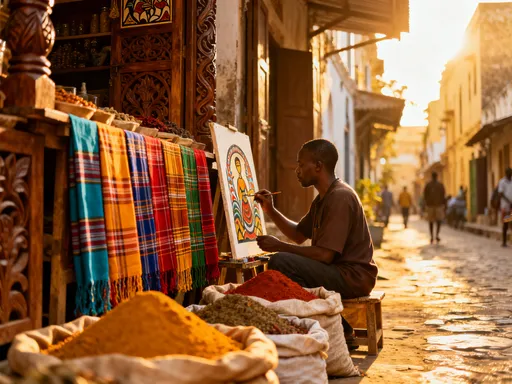
One of the market’s standout features is its spice section. Here, mounds of ground turmeric, cloves, and cinnamon are displayed in open bowls, their rich aromas rising with the morning heat. These spices are not just ingredients—they are heirlooms of the Indian Ocean trade, once carried by dhows from Zanzibar and India. Many families in Mombasa still use them in daily cooking, passing down recipes through generations. Watching a vendor scoop clove powder into a brown paper cone is like witnessing history in motion. Equally compelling are the handcrafted baskets made from palm leaves and sisal. Woven with intricate patterns, these functional items reflect both utility and artistry. Some are used for carrying produce, while others serve as decorative pieces in homes across the coast.
For visitors, navigating Makadara requires a respectful approach. It’s important to ask permission before taking photos, especially of people. A simple phrase like "Niombee kuchukua picha?" (Can I take a photo?) goes a long way in building goodwill. Smiles and basic Swahili greetings—"Habari yako?" (How are you?) or "Asante" (Thank you)—are warmly received. Bargaining is less common here than in tourist areas, as prices are already modest and reflect the local economy. Instead of haggling, consider paying the stated price as a gesture of respect. The goal is not to get the lowest cost, but to engage with dignity. By doing so, you become part of the community’s rhythm, even if only for an hour. Makadara Market doesn’t offer luxury, but it delivers something more valuable: authenticity.
Old Town Bazaar: Where History Meets Handicrafts
Mombasa’s Old Town is a labyrinth of coral stone buildings, arched doorways, and shaded alleyways that whisper stories of centuries past. Wandering its narrow streets feels like stepping into a living museum, where the architecture itself tells of Arab merchants, Omani sultans, and Swahili artisans. But beyond the historic facades lies a thriving bazaar culture, where craftsmanship is preserved and passed down through family workshops. This is the heart of Mombasa’s artisan scene, where woodcarvers, textile makers, and painters keep traditions alive. The market here is not centralized; instead, it unfolds gradually, with small shops and open-front studios inviting exploration. Each turn reveals another treasure—hand-carved doors, patterned kikois, or colorful Tinga Tinga paintings that burst with symbolic meaning.
The iconic carved wooden doors of Old Town are among the most sought-after cultural artifacts. These aren’t just decorative; they are symbols of status, history, and identity. Traditionally, the size and intricacy of a door reflected the wealth and position of a household. Today, smaller versions are made for visitors, but the craftsmanship remains meticulous. Watching a carver at work—chiseling geometric patterns, floral motifs, or Islamic calligraphy—reveals the patience and skill behind each piece. Similarly, kikois and kangas, the colorful cotton fabrics worn by women across East Africa, are sold in endless variations. Each print carries a message, often in Swahili proverbs or social commentary, making them more than just clothing—they are wearable stories. Whether it’s a kikoi with the phrase "Mungu ni mwema" (God is good) or one that playfully warns against gossip, these textiles connect the wearer to local values and humor.
Tinga Tinga art, named after its founder Edward Saidi Tinga Tinga, is another highlight. These paintings, characterized by bold outlines, flat colors, and whimsical depictions of animals and village life, originated in Tanzania but have become popular across the region. In Old Town, artists often work in small galleries where visitors can watch them paint. Engaging with them—asking about their inspiration or the meaning behind a scene—transforms a simple purchase into a cultural exchange. Many artists are happy to explain how their work reflects daily life, folklore, or environmental themes. Buying directly from them ensures that the full value of the artwork supports the creator. The Old Town bazaar is not a place for rushed shopping. It rewards slowness, curiosity, and conversation. Here, every object has a backstory, and every transaction has the potential to become a memory.
Nyali Market: Modern Flair Meets Tradition
If Makadara and Old Town represent Mombasa’s roots, Nyali Market reflects its evolving identity. Located in one of the city’s more affluent suburbs, Nyali has become a hub for contemporary craft and creative entrepreneurship. The market here is not a permanent structure, but a dynamic scene that includes weekend pop-ups, boutique stalls, and small design studios. It’s where tradition meets innovation, and where younger artisans are reimagining Swahili culture for a modern audience. Here, you’ll find beaded jewelry inspired by Maasai designs but crafted with coastal motifs, ceramic vases glazed in ocean blues and sunset oranges, and tote bags made from upcycled sailcloth—each piece blending heritage with sustainability.
One of the most exciting aspects of Nyali Market is the rise of female-led cooperatives. Women are increasingly at the forefront of the creative economy, launching brands that celebrate both craftsmanship and empowerment. Their products often carry dual value: aesthetic appeal and social impact. For instance, a woven basket might be made by a group of women from a nearby village, with proceeds funding girls’ education. A set of hand-printed coasters could support a local environmental initiative. These stories are often shared on small placards or through direct conversation, allowing shoppers to understand the broader significance of their purchase. This transparency fosters trust and deepens the connection between buyer and maker.
Shopping in Nyali requires a different approach than in more traditional markets. Prices are often fixed, reflecting the higher cost of materials and design. However, this doesn’t mean the experience is less personal. Many vendors welcome questions about their process, materials, and inspiration. They appreciate when visitors take the time to learn about their work rather than treating it as just another souvenir. For travelers, this is an opportunity to support innovation while honoring tradition. It’s also a chance to find unique, high-quality items that stand out from mass-produced goods. Whether it’s a hand-thrown mug or a silk scarf with Swahili script, these pieces carry a sense of place and purpose. Nyali Market proves that cultural heritage doesn’t have to be frozen in time—it can grow, adapt, and inspire new generations.
Diani Craft Village: Art Straight from the Source
Just a short drive south of Mombasa lies Diani Craft Village, a vibrant cooperative space where art is made, shared, and sold in full view of the public. Unlike conventional markets, this is a working studio environment where visitors can watch artists in action—painting, carving, weaving, and sculpting with focused determination. The atmosphere is relaxed and welcoming, with the sound of chisels on wood and the soft hum of conversation filling the air. Set under thatched roofs and surrounded by tropical greenery, the village feels like a sanctuary for creativity. It’s here that the connection between object and maker becomes unmistakable. You don’t just buy a mask—you see it being carved from a single block of mahogany, sanded smooth, and painted with symbolic colors representing ancestral spirits or nature.
Batik fabric-making is one of the most captivating demonstrations. Artists use hot wax and natural dyes to create intricate patterns on cotton cloth, a technique with roots in Indonesia but now deeply embedded in East African textile art. Watching the process unfold—wax applied with precision, fabric dyed in rich indigo or ochre, then boiled to reveal the design—is mesmerizing. Visitors are often invited to try their hand at a simple pattern, guided by a patient artisan. These hands-on moments create lasting memories and deepen appreciation for the skill involved. Similarly, recycled art installations—made from bottle caps, scrap metal, or old fishing nets—highlight both creativity and environmental awareness. These pieces not only serve as striking decor but also tell a story of resilience and resourcefulness.
What makes Diani Craft Village truly special is its community-based model. Sales directly support the artists and fund local projects, from youth training programs to clean water initiatives. There’s no middleman, no markup from distant retailers—just a fair exchange between creator and buyer. This transparency builds trust and ensures that tourism dollars have a positive impact. For families visiting, it’s an educational experience that teaches children about craftsmanship, sustainability, and cultural pride. The village also hosts regular cultural performances, where traditional dances and music bring the space to life. It’s not just a market; it’s a celebration of art as a living, evolving force. By visiting, travelers become part of a cycle that sustains both culture and community.
Practical Tips for Smart, Respectful Shopping
To make the most of Mombasa’s markets, a few practical guidelines can enhance both safety and enjoyment. First, timing matters. The best hours to visit are early in the morning, between 7:00 and 10:00 a.m., when the weather is cooler, the light is soft for photography, and vendors are just setting up their stalls. This is when produce is freshest and crowds are thinner. Avoid late afternoons, especially in busy areas like Makadara, when foot traffic peaks and the heat can be intense. If you’re visiting a weekend pop-up market in Nyali or Diani, confirm the schedule in advance, as some operate only on Saturdays or during the dry season.
Bargaining is common in tourist-facing markets, but it should be done with respect. Start by smiling and asking the price. If it seems high, offer slightly less—perhaps 20 to 30 percent lower—and be prepared to meet in the middle. The goal is not to win, but to reach a fair agreement that honors the vendor’s work. Never walk away angrily or mock the item; a polite “no thank you” is always acceptable. Remember, many sellers rely on daily income, and pushing too hard can undermine their livelihood. In local markets like Makadara, where residents shop, prices are already low, so haggling is often unnecessary and may even be seen as inappropriate.
Cash is king in most markets. While some upscale stalls in Nyali may accept mobile payments like M-Pesa, many vendors operate on a cash-only basis. Carry small bills in Kenyan shillings to make transactions easier and avoid delays. Keep your money secure—use a crossbody bag with a zipper and stay aware of your surroundings, especially in crowded areas. Pickpocketing can occur in busy markets, so it’s wise to keep valuables out of sight. Avoid wearing flashy jewelry or displaying expensive electronics.
Finally, shop sustainably. Mombasa’s marine ecosystems are fragile, and purchasing items made from coral, seashells, or turtle shells contributes to environmental harm. Instead, choose crafts made from renewable or recycled materials. Look for certifications or ask vendors about the sourcing of their products. By making conscious choices, you support both culture and conservation. Respectful shopping is not just about what you buy—it’s about how you engage. A kind word, a patient ear, and a fair price can turn a simple purchase into a meaningful exchange.
Beyond the Purchase: How Shopping Connects You to Place
In the end, the true value of Mombasa’s markets lies not in the objects we bring home, but in the connections we make along the way. These are not commercial transactions in the ordinary sense; they are moments of human exchange. The smile from a basket weaver, the story shared by a painter, the laughter over a misunderstood Swahili phrase—these are the souvenirs that last. When we slow down and engage, we move beyond the role of observer and become participants in the life of a place. We learn that a kikoi is more than fabric; it’s a message. That a carved door is more than wood; it’s history. That a market is more than a place to shop; it’s a living thread in the fabric of community.
Travel has the power to transform, but only when we let it. Choosing to visit local markets—with curiosity, respect, and openness—is a step toward more meaningful journeys. It’s a way to support real people, preserve traditions, and carry home not just things, but stories. In Mombasa, every market visit becomes a bridge—between cultures, generations, and hearts. So the next time you find yourself on the Swahili Coast, step off the beaten path. Let the scent of spices guide you, the colors captivate you, and the people welcome you. Let shopping become more than a task. Let it become a journey in itself—one that connects you to the soul of Mombasa.