How I Protected My Family’s Legacy Without Losing a Penny
Inheriting cultural assets isn’t just about money—it’s about legacy, tradition, and responsibility. I learned this the hard way when my family faced potential losses during a generational transfer. What looked like a simple handover turned into a complex maze of legal gaps and emotional decisions. That’s when I realized: without a systematic plan, even the most valuable heritage can unravel. This is how I built a shield around our legacy—practically, quietly, and effectively. It wasn’t about wealth in the bank, but about preserving what had been entrusted to us across generations: land, artifacts, stories, and values. The journey taught me that protection doesn’t come from silence or sentiment alone, but from preparation, clarity, and structure.
The Hidden Risks Behind Cultural Inheritance
Cultural inheritance often includes heirlooms, land with historical significance, traditional art, ancestral homes, or family-run businesses that have operated for decades. These are not merely possessions—they are living threads connecting generations, carrying stories, values, and identity. Yet, unlike bank accounts or stocks, they do not come with clear titles, market valuations, or automatic transfer mechanisms. Their intangible worth makes them vulnerable to misinterpretation, neglect, or unintended loss. Many families assume that because something has been passed down peacefully before, it will continue to be so. But peace is not a plan. Without formal documentation, defined roles, or legal clarity, even the most cherished assets can become sources of conflict.
I witnessed this firsthand when my extended family nearly lost a century-old property due to unclear ownership records. The land had been used for generations in seasonal ceremonies, and no one had questioned its status—until a distant relative filed a claim based on an old oral agreement. The dispute wasn’t about greed; it stemmed from ambiguity. There was no will, no registered deed, and no consensus on who held decision-making authority. What followed was months of legal uncertainty, emotional strain, and mounting costs. This experience opened my eyes to the hidden risks embedded in cultural inheritance: tax liabilities that can consume asset value, lack of liquidity forcing sales under pressure, and generational misunderstandings that fracture relationships. The danger is not always external—it often lies in silence, assumption, and delay.
Moreover, cultural assets often lack liquidity, making them difficult to divide fairly or maintain without external funding. A traditional craft workshop may hold deep meaning, but if it does not generate income or has no succession plan, its survival depends on the willingness and ability of the next generation. Without proactive planning, even well-intentioned families can watch their heritage erode—not because they stopped caring, but because they failed to prepare. Recognizing these risks is not pessimism; it is prudence. It is the first step toward building a structure that honors the past while safeguarding the future.
Why a Systematic Approach Beats Emotional Decisions
When it comes to family legacy, emotion runs deep. The desire to keep things fair, to honor elders, or to preserve harmony often leads families to avoid difficult conversations. I once believed that love and mutual respect were enough to carry us through inheritance decisions. I thought that as long as everyone meant well, we could figure it out together. But good intentions do not prevent legal disputes, tax penalties, or misunderstandings under stress. I learned that emotions, while natural, must not be the foundation of a long-term inheritance strategy. What feels right in the moment may not be sustainable over decades. A systematic approach—structured, documented, and reviewed—provides stability where emotion introduces volatility.
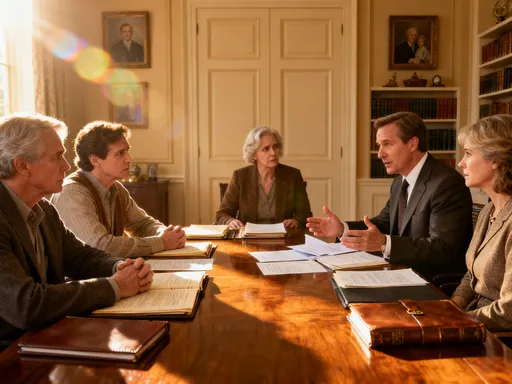
A systematic framework transforms inheritance from a reactive event into a proactive process. It begins with clear goals: What do we want to preserve? Who should be involved? How will decisions be made? Instead of waiting for a crisis, families can map out roles, responsibilities, and timelines in advance. For example, appointing a family steward or council to oversee cultural assets ensures continuity and reduces the burden on any single individual. Creating written guidelines for use, maintenance, and access prevents confusion and sets expectations. These steps may seem formal, even cold, but they are acts of care. They protect relationships by removing ambiguity and reducing the chance of conflict when emotions run high.
Furthermore, a structured plan allows for flexibility within boundaries. It can include provisions for changing circumstances—such as family growth, relocation, or economic shifts—without abandoning core values. It also supports fairness without requiring equal division, which is often impractical for unique assets. A handwritten manuscript, for instance, cannot be split among siblings, but its value can be balanced through other means, such as recognition, shared access, or complementary inheritances. By treating cultural inheritance as a long-term project with phases, milestones, and reviews, families move from fear and uncertainty to confidence and unity. This is not about replacing tradition with bureaucracy, but about strengthening tradition with clarity.
Mapping the Assets: What You Own and Why It Matters
The foundation of any protective strategy is knowing exactly what you have. Yet, many families operate on memory, assumption, or incomplete records. I began my journey by creating a comprehensive inventory of our cultural assets—not just a list, but a detailed record that captured their nature, condition, value, and significance. This included land plots used for ancestral rituals, handwoven textiles passed down through generations, a small workshop producing traditional tools, and a collection of handwritten letters and photographs. Each item was photographed, described, and assessed for both market value and cultural importance. This process revealed gaps I had never noticed: missing land titles, undocumented oral agreements, and unclear maintenance responsibilities.
Mapping assets is more than an organizational task—it is an act of preservation. It forces families to confront questions they may have avoided: Who legally owns this? Who is responsible for upkeep? What happens if it needs repair or generates income? For example, I discovered that a piece of ceremonial land was registered under my grandfather’s name, but he had passed away decades ago without a will. Without formal transfer, the ownership was in legal limbo, making it vulnerable to third-party claims or government reclamation. By identifying this early, I was able to initiate the necessary legal steps to clarify title and prevent future complications.
Equally important was assessing the cultural value of each asset. Some items had little monetary worth but immense symbolic meaning—such as a wooden altar used in family gatherings for over a century. Others, like the craft workshop, had both cultural and economic potential but required investment to remain viable. Consulting local historians, appraisers, and legal experts helped me understand the full picture. This knowledge empowered me to make informed decisions about preservation, use, and succession. A complete asset map also serves as a reference for future generations, ensuring that stories and responsibilities are not lost over time. It transforms inheritance from a vague concept into a tangible, manageable reality.
Legal Shields: Structures That Protect Across Generations
Once you know what you own, the next step is protecting it. Ownership without legal structure is fragile—like building a house on sand. I explored several tools designed to safeguard cultural assets while respecting family values. Among the most effective were family trusts, heritage foundations, and registered cooperatives. These are not exclusive to the wealthy; even modest families can use simplified versions to secure their legacy. A family trust, for instance, allows assets to be held collectively under a legal entity, with designated trustees managing them according to predefined rules. This prevents fragmentation, avoids probate delays, and offers some protection against creditors or disputes.
One powerful model I adopted was the stewardship approach, where no single individual owns the asset outright, but a rotating group manages it for the benefit of the family and community. This ensures continuity and reduces the risk of misuse or neglect. For our ancestral land, we established a small heritage trust with clear bylaws outlining usage rights, maintenance duties, and decision-making processes. The trust was registered with local authorities, giving it legal standing and tax advantages. It also allowed us to apply for small grants supporting cultural preservation—a benefit we hadn’t anticipated.
Legal structures also provide clarity in taxation. In many jurisdictions, properly structured trusts or foundations qualify for reduced inheritance or property taxes, especially when assets serve cultural or community purposes. While tax savings are helpful, the greater benefit is certainty. When everyone knows the rules, disputes are less likely. Additionally, these structures can include succession clauses, ensuring smooth transitions when stewards change. The key is alignment: the legal framework must reflect both the law and the family’s values. A trust that prioritizes profit over tradition may preserve wealth but erode meaning. The goal is balance—using legal tools not to control, but to protect and empower.
Preparing the Next Generation: More Than Just a Handover
Passing down a legacy is not a single event—it is a process that begins years before any formal transfer. I started involving younger family members early, not just as observers, but as active participants. They joined me in cataloging items, attending legal meetings, and learning about maintenance practices. This wasn’t about assigning duty; it was about building connection. When young people understand the story behind an artifact or the effort behind a tradition, they are more likely to value and preserve it. Respect grows from knowledge, not obligation.
I also prioritized education in financial literacy, basic legal rights, and conflict resolution. Many young family members knew little about property law, tax responsibilities, or how to manage shared assets. By organizing informal workshops—sometimes with the help of a local advisor—we built a common understanding. We discussed scenarios: What if someone wants to sell? What if repairs are needed? How do we make decisions together? These conversations reduced anxiety and built confidence. Some families rotate stewardship roles every few years, giving different members the chance to lead. This prevents power from concentrating in one person and encourages shared responsibility.
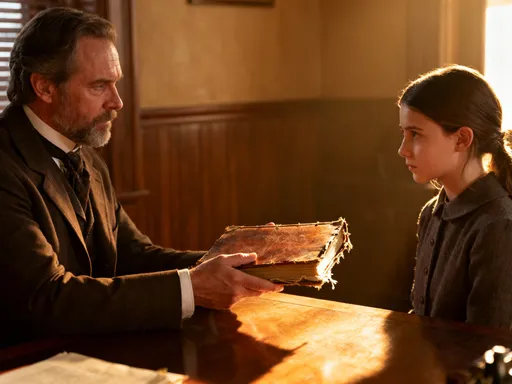
Equally important was teaching the cultural meaning behind each asset. A young cousin once asked why we kept an old, weathered loom that no longer worked. Instead of just saying “it belonged to your great-grandmother,” I shared the story of how she wove cloth during hard times, how her patterns were unique, and how her work supported the family. That moment changed the cousin’s perspective—from seeing it as junk to honoring it as a symbol of resilience. When the next generation feels emotionally and practically equipped, the legacy is far more likely to survive. Preparation is not just about logistics; it is about passing on purpose.
Liquidity Planning: Keeping Heritage Alive Without Selling It
One of the greatest threats to cultural inheritance is financial pressure. Even the most committed families can be forced to sell cherished assets due to unexpected expenses—medical bills, legal fees, or urgent repairs. I learned that preserving heritage requires planning for liquidity separately from the assets themselves. A beautiful ancestral home means little if you cannot afford to fix the roof. A historic workshop cannot survive if it drains the family’s savings. The solution is not to sell, but to plan—ensuring there are funds available when needed.
I created a dedicated reserve fund, built gradually through small contributions and modest investments. This fund was earmarked only for heritage-related emergencies: repairs, legal fees, or tax payments. I also explored insurance options, including property and liability coverage, to reduce exposure to sudden losses. In some cases, we introduced low-impact, income-generating activities tied to the assets. For example, the traditional craft workshop began offering cultural workshops and selling handmade items online. This not only generated income but also raised awareness and pride in our heritage.
Another option I considered was a conservation easement, where certain development rights are voluntarily limited in exchange for tax benefits or grants. While not suitable for every family, it can provide financial support while protecting the asset’s integrity. The key principle is sustainability: the asset should support the family, and the family should support the asset. Liquidity planning removes the desperation that leads to forced sales. It allows families to make thoughtful, values-driven decisions—even under pressure. By preparing for financial realities, we honor the past without sacrificing the future.
Finalizing the Plan: Review, Adapt, and Preserve
No inheritance plan is perfect or permanent. Laws change, families grow, and values evolve. I learned that a static document collects dust—while a living plan adapts and endures. Every three to five years, I convene a family meeting to review our inheritance framework. We assess changes: new births, marriages, relocations, or shifts in financial circumstances. We update the asset inventory, confirm trustee roles, and revise guidelines as needed. Including a neutral advisor—such as a legal consultant or financial planner—adds objectivity and ensures compliance with current regulations.
These reviews are not about control, but about continuity. They create space for dialogue, allowing younger members to voice concerns and contribute ideas. Sometimes, traditions are modified—not abandoned—to fit modern realities. For instance, we agreed to digitize parts of our photo and document collection to prevent loss and improve access. This did not diminish their value; it protected it. The goal is not to freeze the past, but to keep it alive in a changing world. A flexible plan respects both heritage and progress.
Preservation is not a one-time achievement. It is a commitment renewed across generations. By treating cultural inheritance as a dynamic system—requiring care, communication, and adaptation—we ensure its survival. The real legacy is not just the asset itself, but the wisdom to protect it. When planning is thoughtful, inclusive, and ongoing, families can pass down more than objects—they pass down stability, unity, and purpose. That is the true measure of success.
Protecting cultural inheritance isn’t about locking away the past—it’s about empowering the future. With a systematic approach, families can preserve meaning, avoid conflict, and maintain stability across generations. The real legacy isn’t just what we pass down, but how wisely we prepare it for the journey ahead.